Free shipping Pan-India · Frames starting at ₹1,199. · 7 Days Return Policy
Free shipping Pan-India · Frames starting at ₹1,199. · 7 Days Return Policy
Free shipping Pan-India · Frames starting at ₹1,199. · 7 Days Return Policy
Free shipping Pan-India · Frames starting at ₹1,199. · 7 Days Return Policy
Free shipping Pan-India · Frames starting at ₹1,199. · 7 Days Return Policy
Free shipping Pan-India · Frames starting at ₹1,199. · 7 Days Return Policy
Free shipping Pan-India · Frames starting at ₹1,199. · 7 Days Return Policy
Free shipping Pan-India · Frames starting at ₹1,199. · 7 Days Return Policy
Free shipping Pan-India · Frames starting at ₹1,199. · 7 Days Return Policy
Free shipping Pan-India · Frames starting at ₹1,199. · 7 Days Return Policy
Account
Shop by Shape
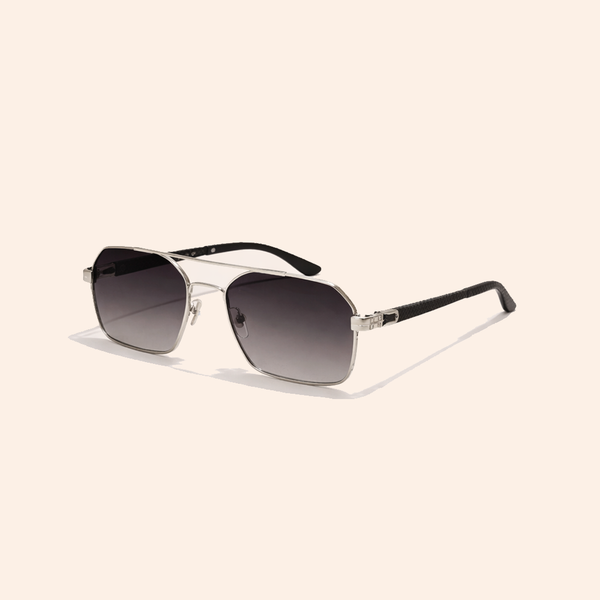
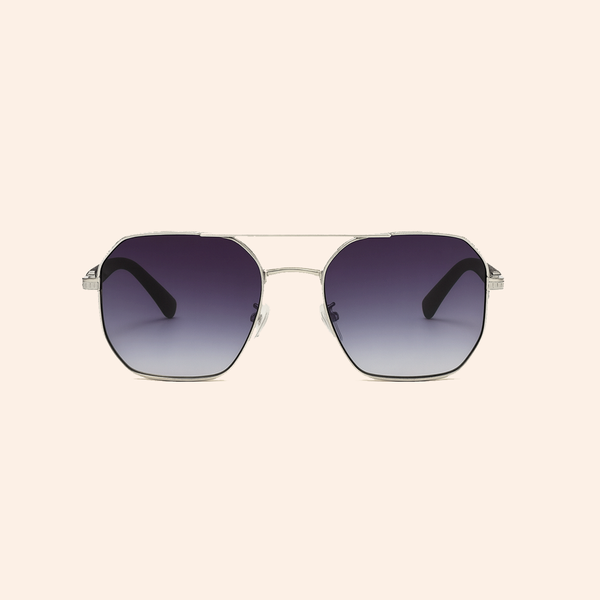
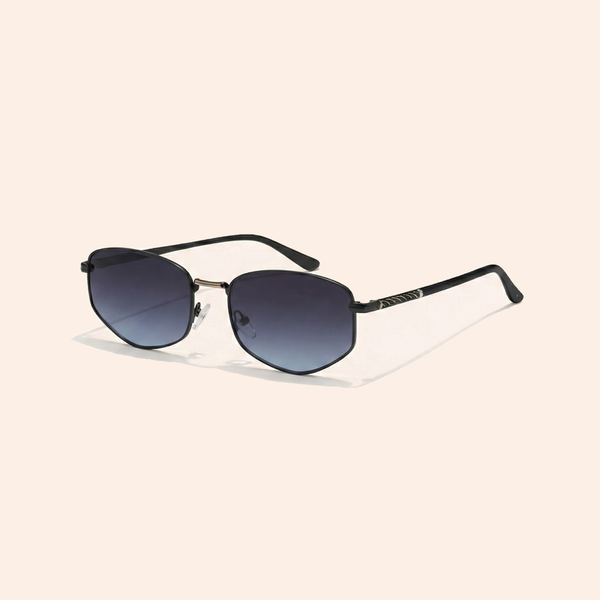
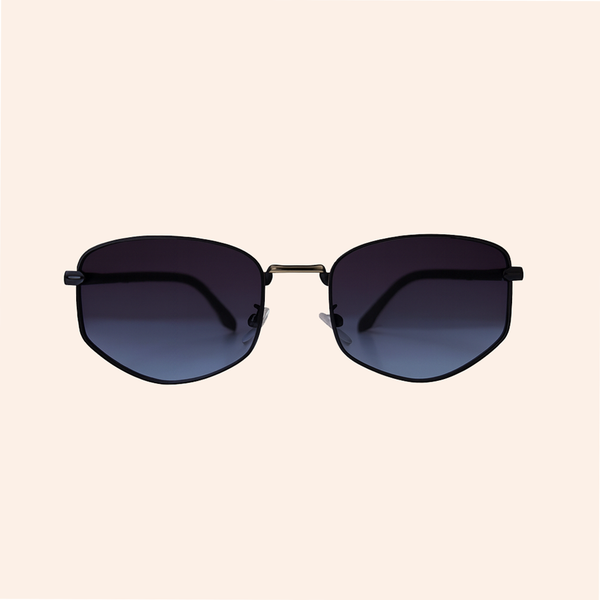
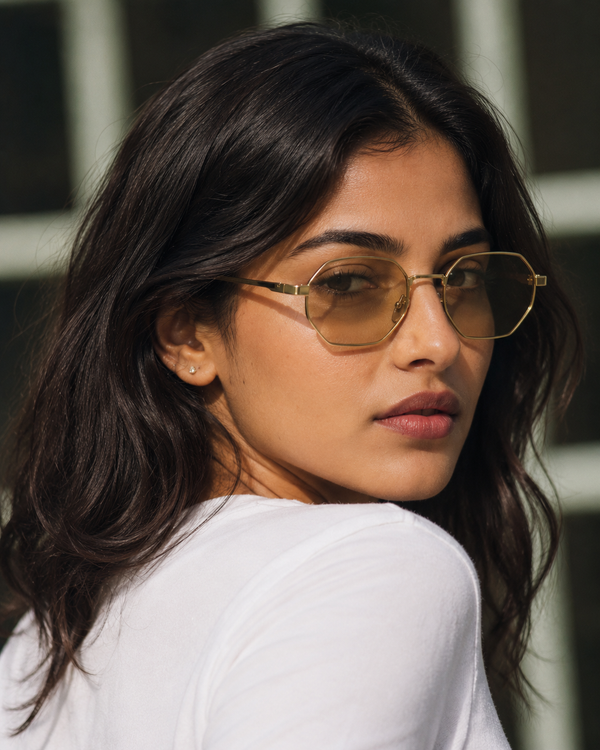
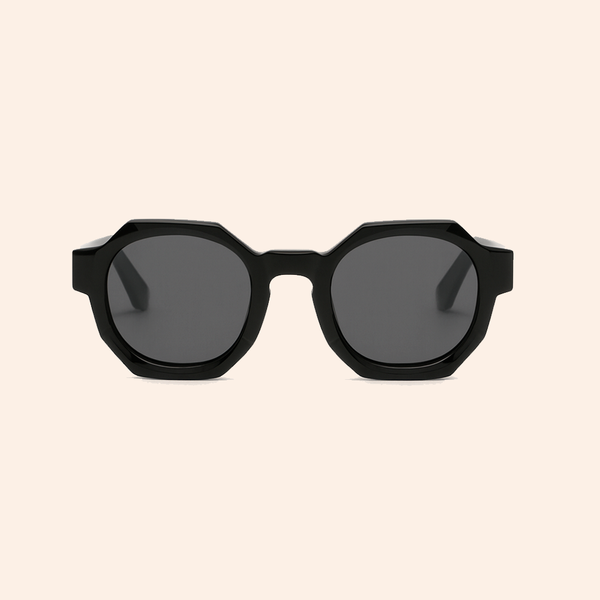
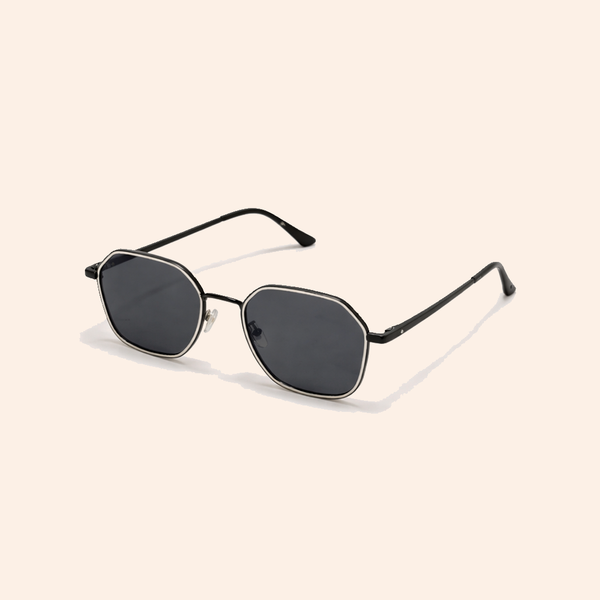
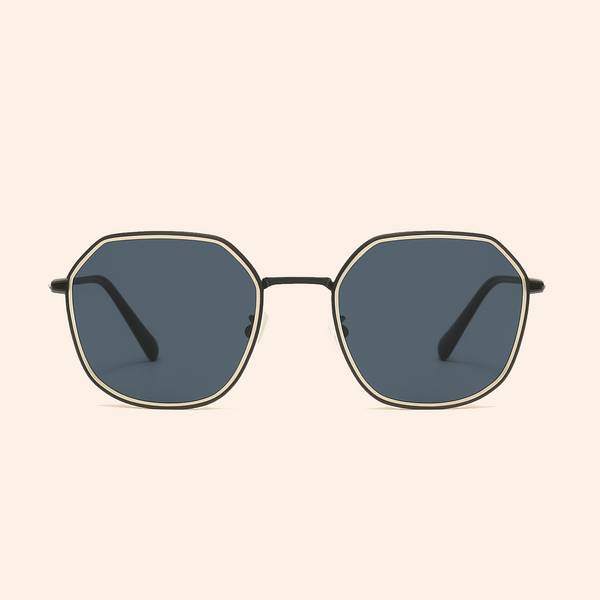
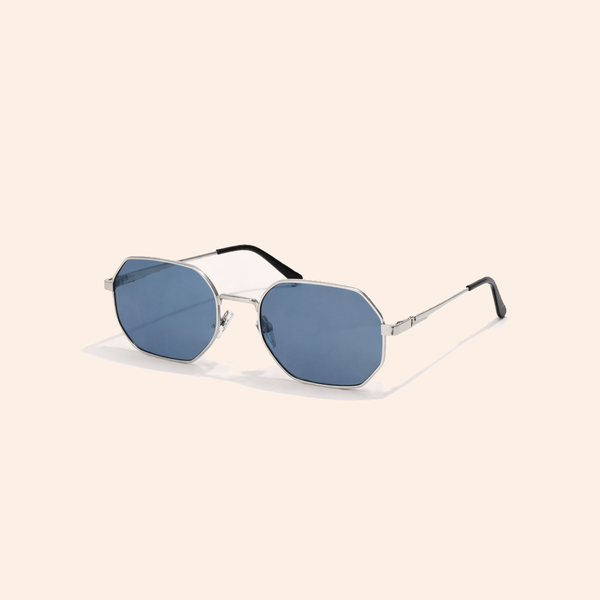
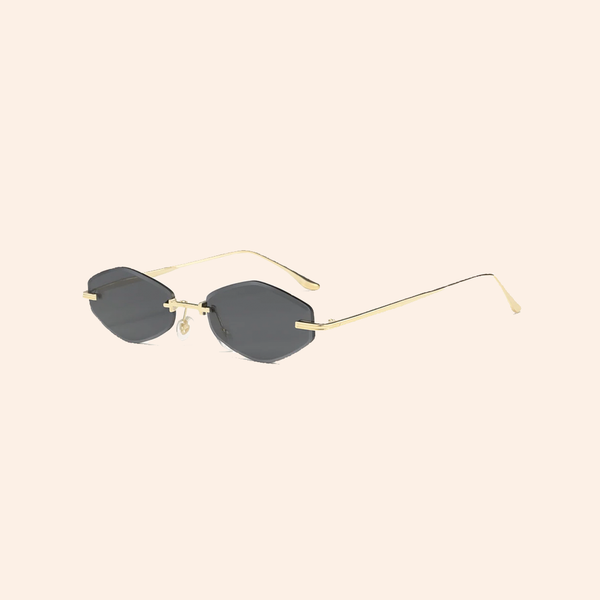
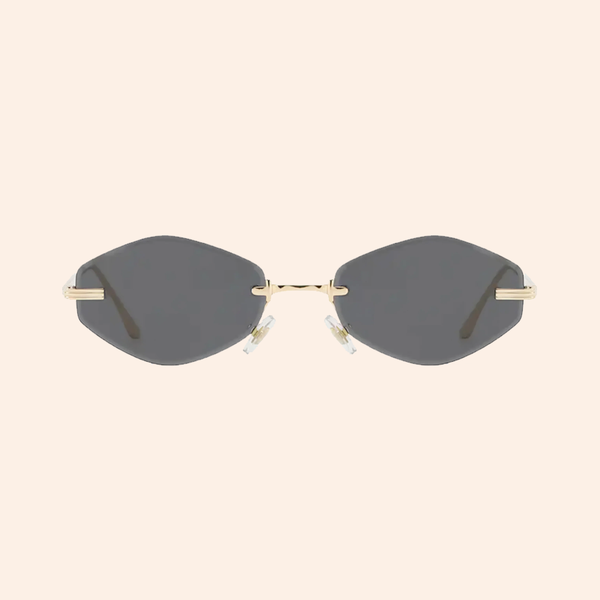
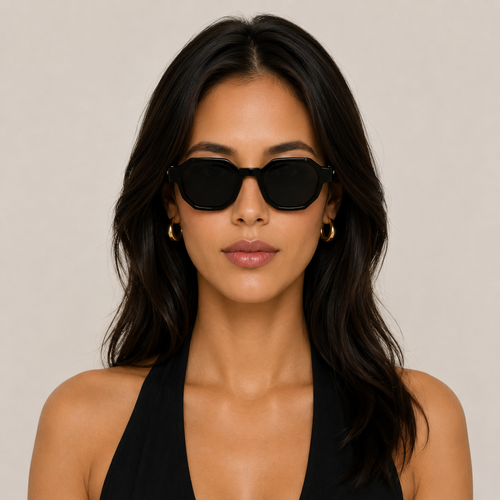
Hexagon Sunglasses for Women
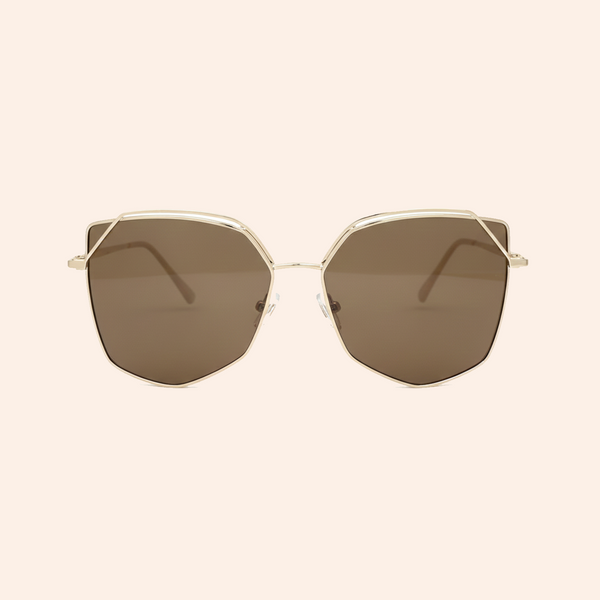
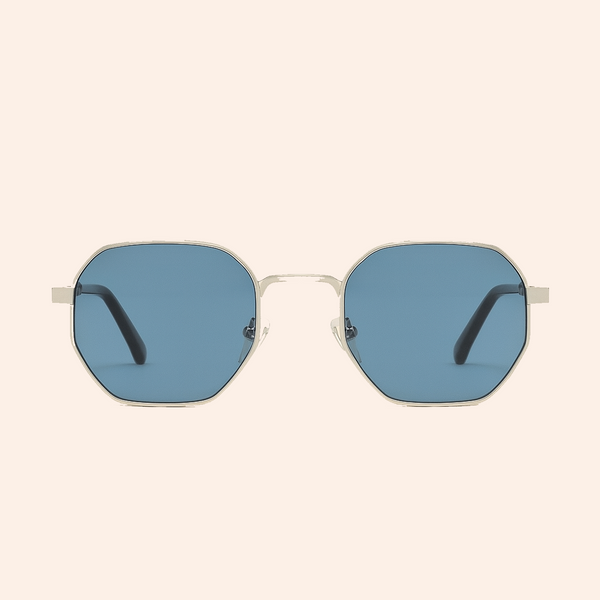
Six flat edges — the geometric frame that gives you structure without the severity of a square.
Structure, without the hard edges
A hexagon frame sits exactly between a round and a square: six straight edges instead of a curve, but softened corners instead of right angles. That middle position is the whole appeal. You get definition and a modern, deliberate outline without the severity that puts people off boxy frames.
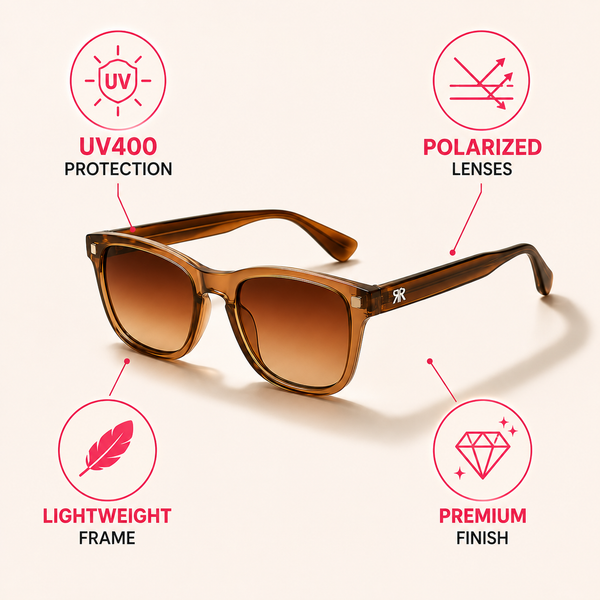
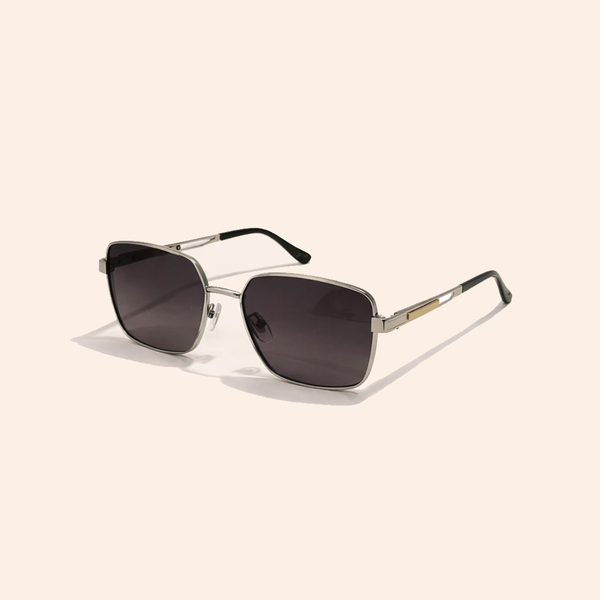
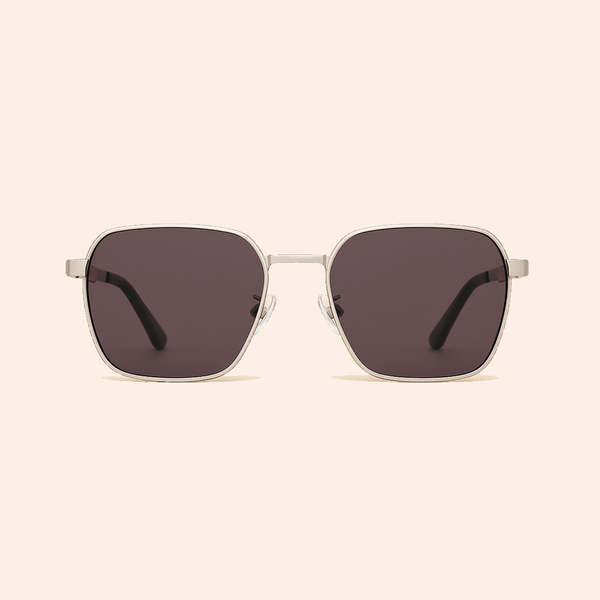
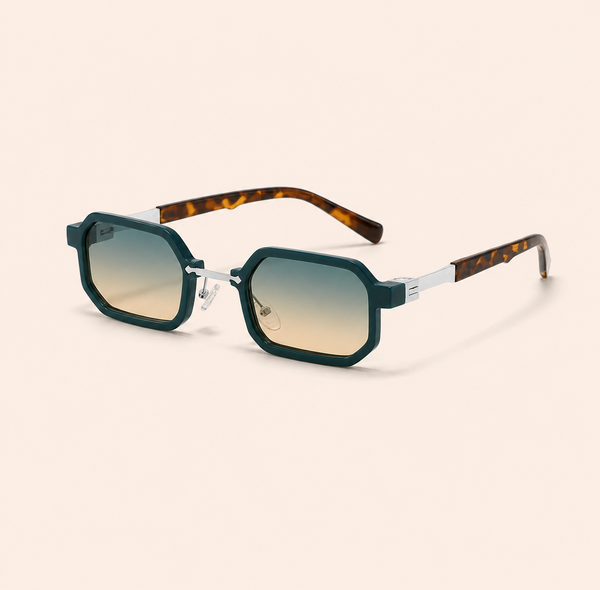
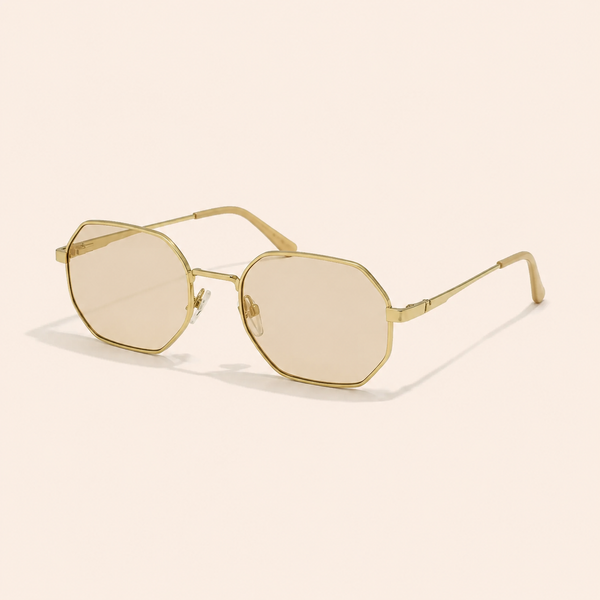
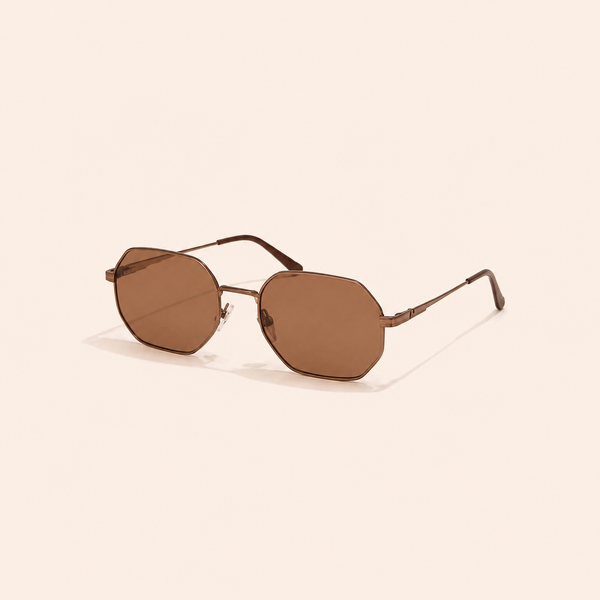
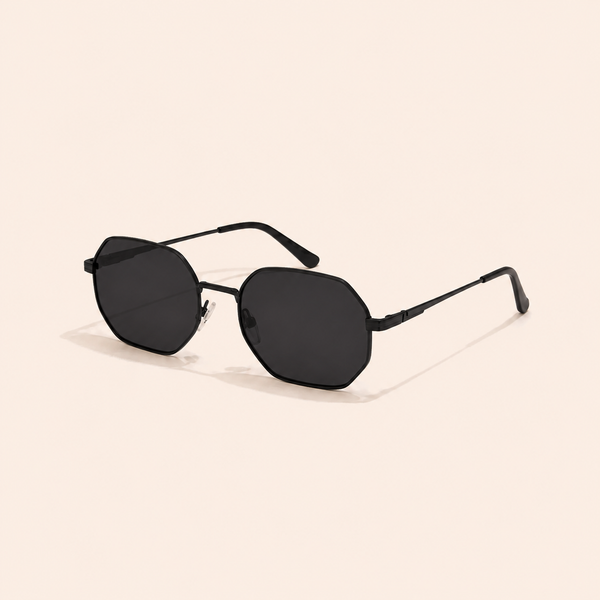
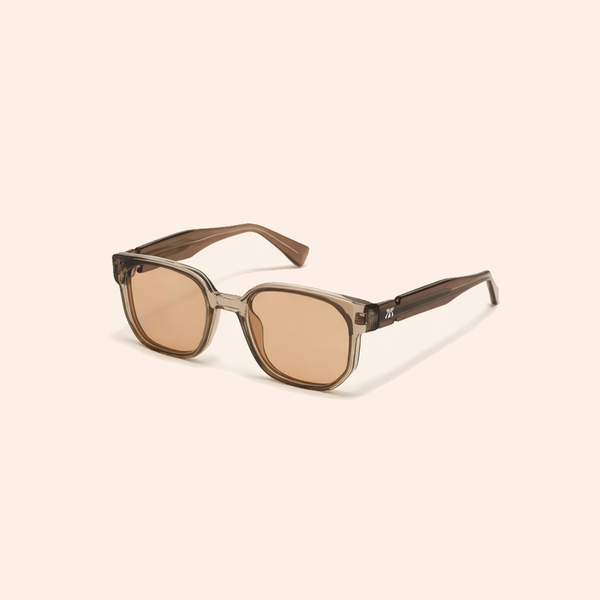
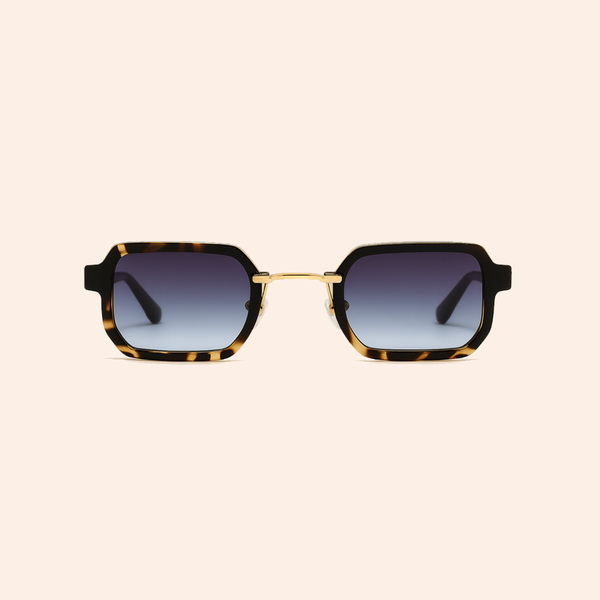
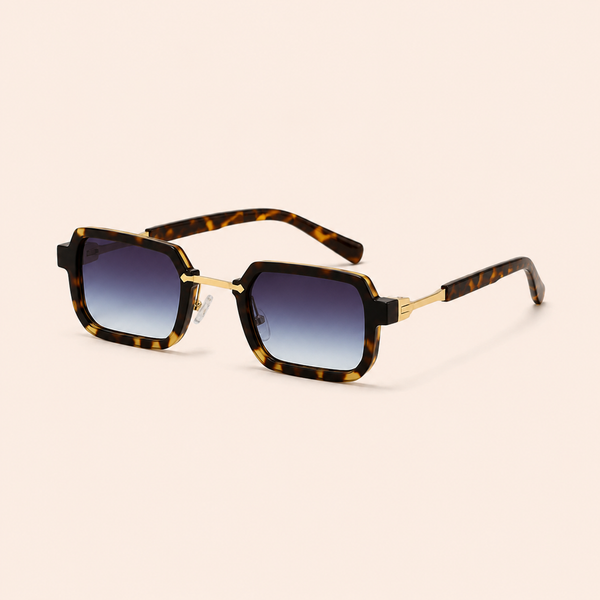
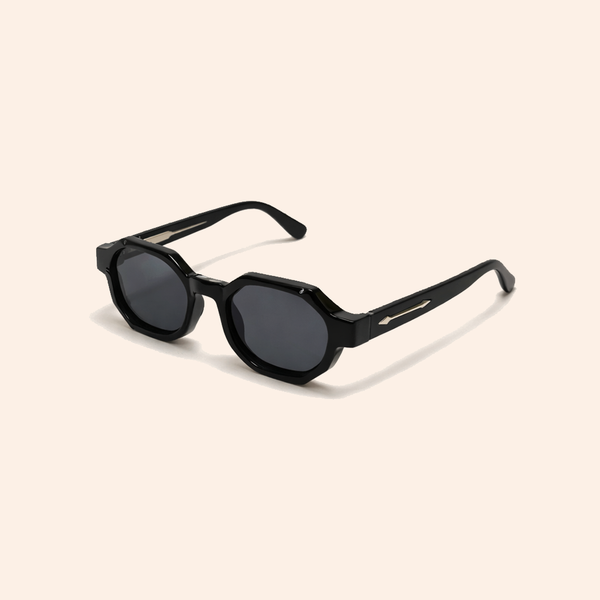
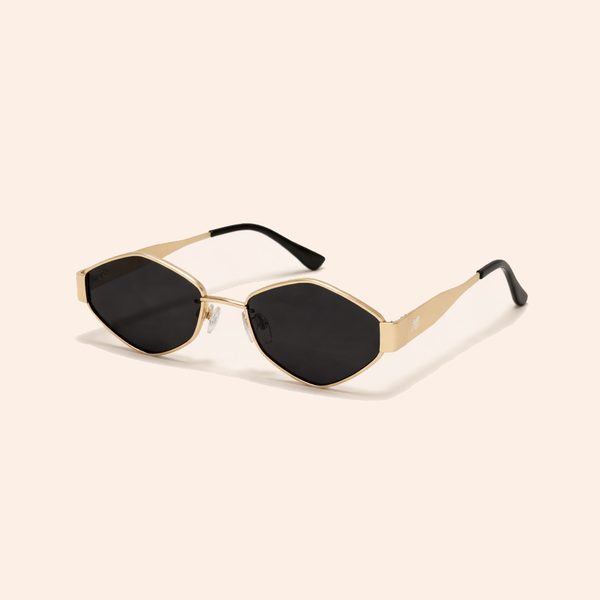
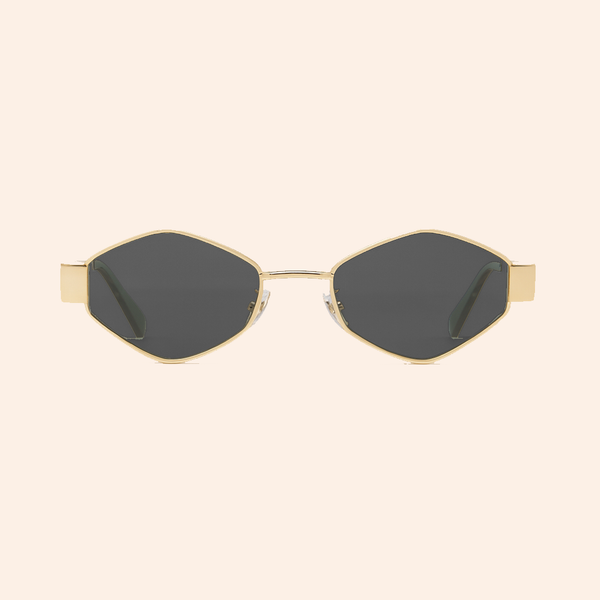
It is also the most forgiving of the geometric shapes. Hexagons run flatter and shallower than most frames, so they sit close to the brow line and suit a wider range of faces than their sharp reputation suggests. Twenty styles below, in black, blue, brown and gradient tints — all UV400, from Rs. 1,299.
Geometric frames flatter more faces than most people expect — but the right depth depends on your shape. Six quick questions and the Frame Finder tells you yours, then sends you to the frames built for it.
One to size carefully: On a heart-shaped face, a heavy hexagon adds weight at the brow — where the face is already widest. Choose a rimless or half-rim hexagon instead, which keeps the outline and loses the load.
The guide
How to choose hexagon and geometric sunglasses
Geometric frames have a reputation for being difficult — too angular, too fashion, too much. Hexagons are the exception, and the reason is that they sit exactly halfway between a round frame and a square one. Here is how to pick the right depth, rim and tint.
What a hexagon frame actually is
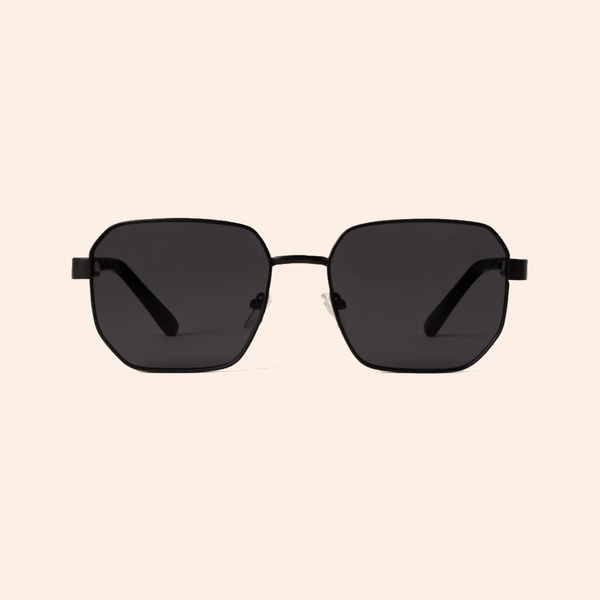
Six straight edges, joined at soft corners, forming a lens that is wider than it is tall. The top edge runs almost flat, which is the detail that matters most — it sits parallel to your brow line and reads as deliberate rather than accidental.
Hexagon, octagon, angular: the geometric family
Geometrical sunglasses is the umbrella term for any frame built from straight edges and defined angles rather than curves — hexagons, octagons, faceted and angular styles all sit under it. Hexagon is by far the most wearable of them, and the reason is proportion: six edges is enough to read as geometric, but few enough that the outline still looks like a pair of sunglasses rather than a design exercise.
Go beyond six or eight edges and the shape starts fighting the face. That is why almost every geometric frame you will find in a women's range is a hexagon, and why this edit is built entirely from them.
Half-rim and rimless hexagons
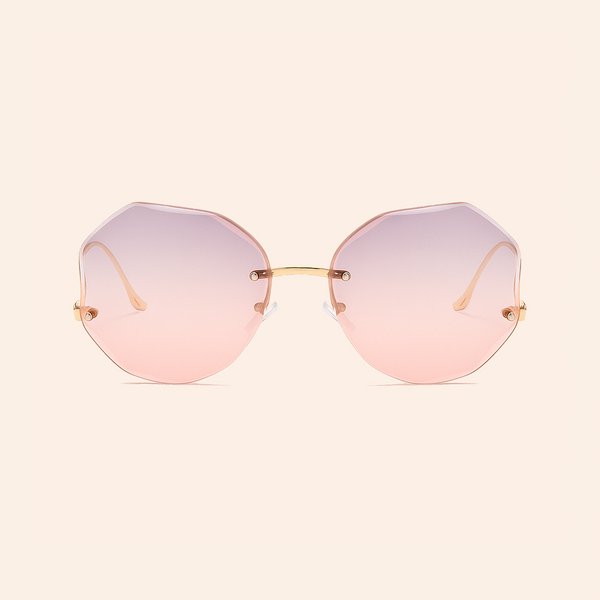
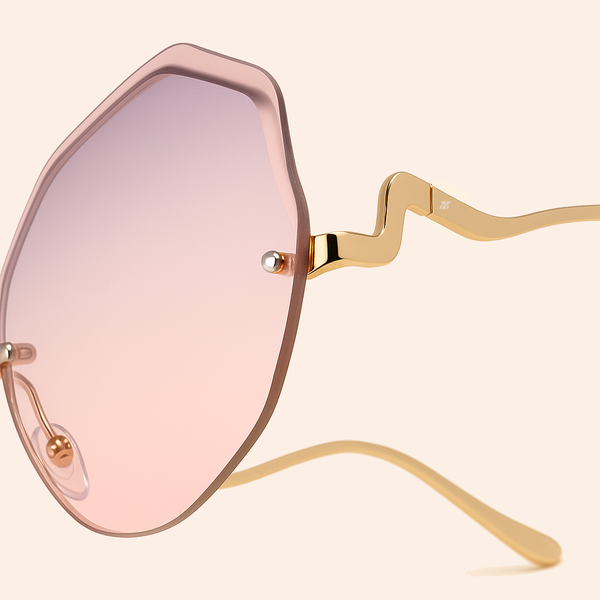
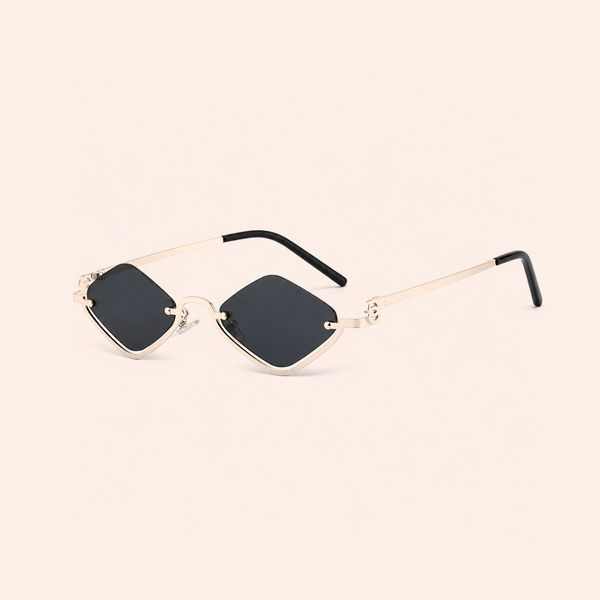
The most interesting variation in this edit. Take a hexagon and remove the rim — fully, or just the lower half — and you keep the geometry while losing almost all the visual weight. The angular outline still does its work, but the frame reads light instead of structured. If hexagons have felt too strong on you before, this is the version to try. See also rimless sunglasses.
Which face shapes suit geometric frames
Round — a best match. The flat edges add definition to a face with no angles of its own, and the blunt corners keep it from looking harsh.
Diamond — the flat top edge widens a narrow brow while the lower half stays light. Close to the ideal weight distribution for that shape.
Oval — hexagons run shallow, which is exactly the lens depth an oval face wants.
Rectangle — only in the deeper versions. A shallow hexagon lengthens a face that is already long.
Heart — go rimless or half-rim, so the top edge doesn't add weight where the face is widest.
Why tinted lenses look best on a hexagon
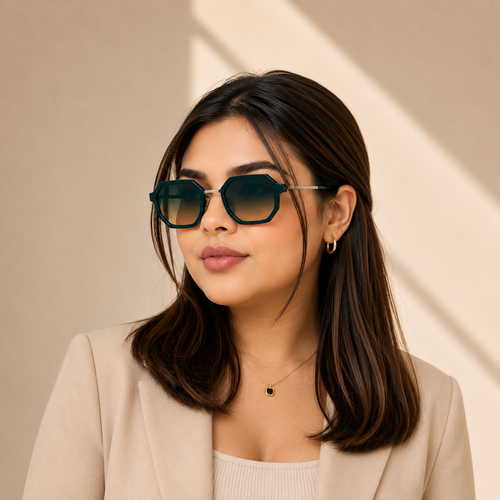
Look at this edit and you will notice how much of it is blue, green and gradient rather than plain black. That is not a coincidence. A hexagon lens has flat facets that meet at angles, so light hits each section slightly differently — a tint or gradient picks that up and the lens shifts as you move. On a curved lens the same tint reads as one flat wash.
It is the practical reason hexagons are where a colour is worth taking a chance on. Browse gradient sunglasses, or stay classic with black and brown.
Getting the fit right
What to check
Look for
Why it matters
Top edge
Sitting level with your brow
The flat top is the whole point — it should follow the brow, not cut across it
Lens depth
Shallow for oval, deeper for long faces
Hexagons come in both, and depth decides which face shapes they suit
Corner sharpness
Blunt, not pointed
Softer corners are what separate a hexagon from a hard geometric frame
Rim weight
Full, half-rim or rimless
Same outline, three completely different levels of statement
Frame width
Level with your cheekbones
Hexagons run narrow — check this before assuming your usual size
How to style women's geometric shades
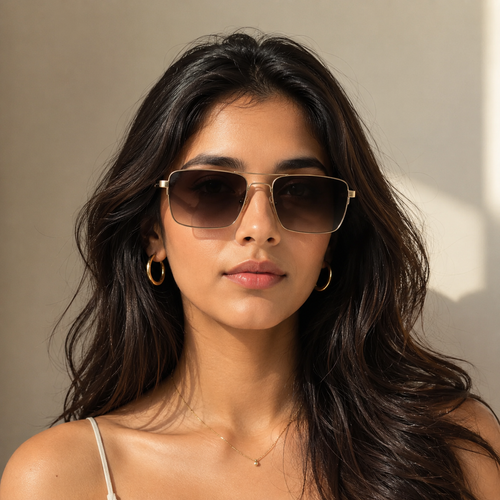
A hexagon is a quiet statement, which makes it the easiest geometric frame to wear to work. It sharpens a plain outfit without announcing itself, and it photographs as considered rather than costume. With a saree or an ethnic fusion look it does something a round or wayfarer frame cannot — the angles read as contemporary against traditional drape, which is exactly the contrast that works.
One note: hexagons and heavily geometric jewellery compete. If you are wearing angular earrings, keep the frame in a plain colour, or the other way round.
Are hexagon sunglasses a trend?
Partly — the current run of geometric frames traces back to the 2010s revival of thin metal eyewear, and hexagons came with it. But the shape has a longer history than that: faceted lenses appear in eyewear across the 1920s and 1970s, both periods when geometry was the dominant design language. It is closer to a recurring shape than a passing one, which is a reasonable thing to want from a frame you will wear for years.
Hexagon Sunglasses — FAQs
Round and diamond faces suit them best — the flat edges add structure a round face lacks, and the flat top edge widens a diamond face's narrow brow. Oval faces wear the shallower versions easily, and rectangle faces want the deeper ones. On a heart-shaped face, choose a rimless or half-rim hexagon.
Geometric is the umbrella term for any frame built from straight edges and angles rather than curves — hexagons, octagons and faceted styles all count. Hexagon is the most wearable of them, because six edges is enough to read as geometric while keeping the outline recognisable as sunglasses.
They're the quietest of the geometric shapes. The corners are blunt rather than pointed, so a hexagon reads as considered rather than costume. If you want it softer still, a rimless or half-rim hexagon keeps the outline and loses almost all the weight.
They tend to run narrower and shallower than curved frames of the same nominal size, because the flat edges cut the corners off. Check the frame reaches your cheekbones rather than assuming your usual size will fit.
Because the shape suits them. A hexagon lens has flat facets meeting at angles, so light catches each section differently and a tint or gradient shifts as you move. On a curved lens the same colour reads as one flat wash.
Faceted and geometric frames have come round repeatedly — they were part of the 1920s and 1970s design vocabularies before the 2010s thin-metal revival brought them back. It's closer to a recurring shape than a passing trend.
Black and brown are the everyday classics. But hexagon is one of the better shapes to take a chance on colour with — blue, green and gradient tints all read richer on faceted lenses than they do on curved ones.
Yes. Every pair in this collection is UV400 — blocking 100% of UVA and UVB rays — and ships with a hard case and cleaning cloth, with a 7-day return window.