Free shipping Pan-India · Frames starting at ₹1,199. · 7 Days Return Policy
Free shipping Pan-India · Frames starting at ₹1,199. · 7 Days Return Policy
Free shipping Pan-India · Frames starting at ₹1,199. · 7 Days Return Policy
Free shipping Pan-India · Frames starting at ₹1,199. · 7 Days Return Policy
Free shipping Pan-India · Frames starting at ₹1,199. · 7 Days Return Policy
Free shipping Pan-India · Frames starting at ₹1,199. · 7 Days Return Policy
Free shipping Pan-India · Frames starting at ₹1,199. · 7 Days Return Policy
Free shipping Pan-India · Frames starting at ₹1,199. · 7 Days Return Policy
Free shipping Pan-India · Frames starting at ₹1,199. · 7 Days Return Policy
Free shipping Pan-India · Frames starting at ₹1,199. · 7 Days Return Policy
Account
Shop by Shape
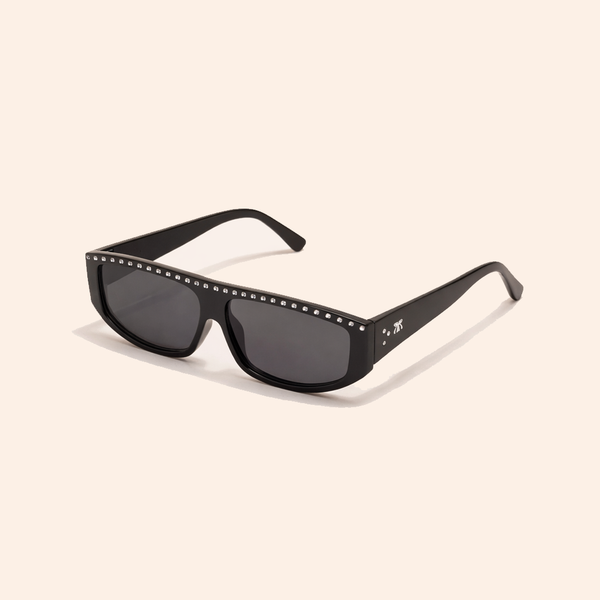
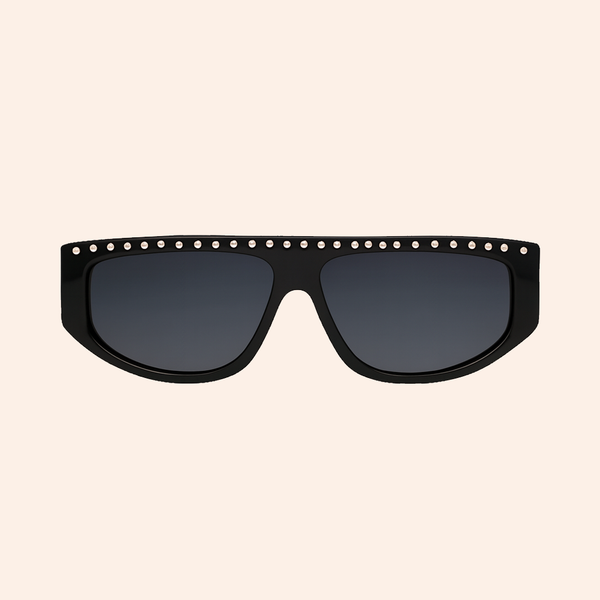
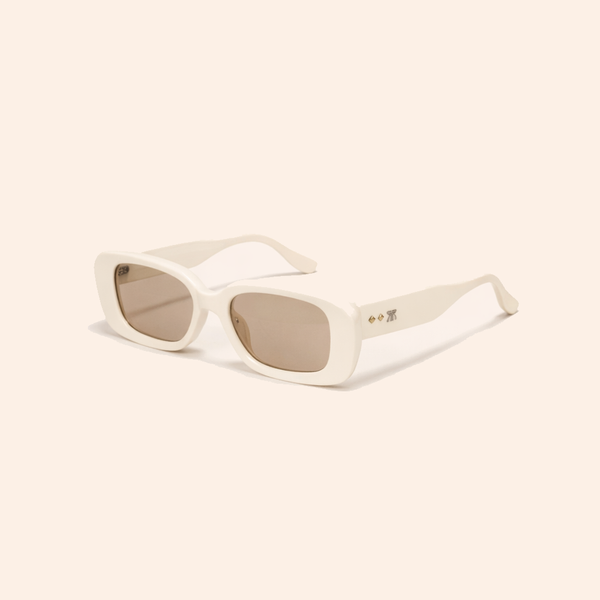
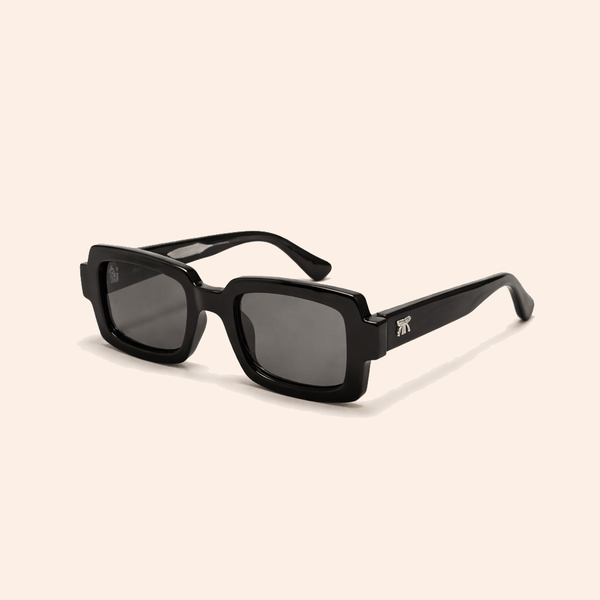
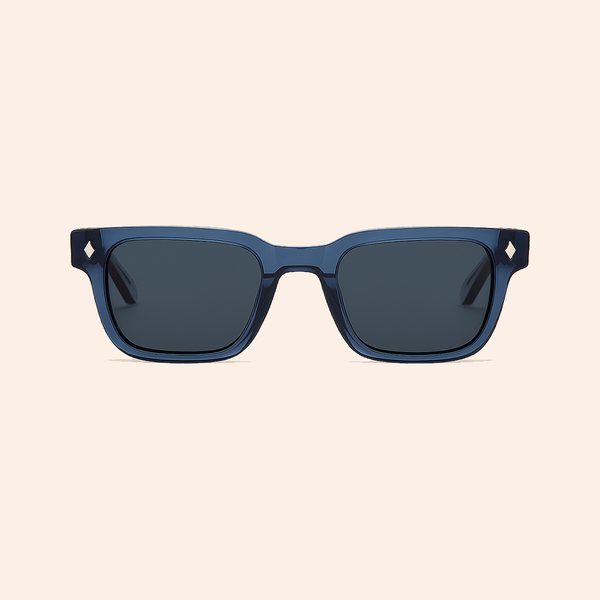
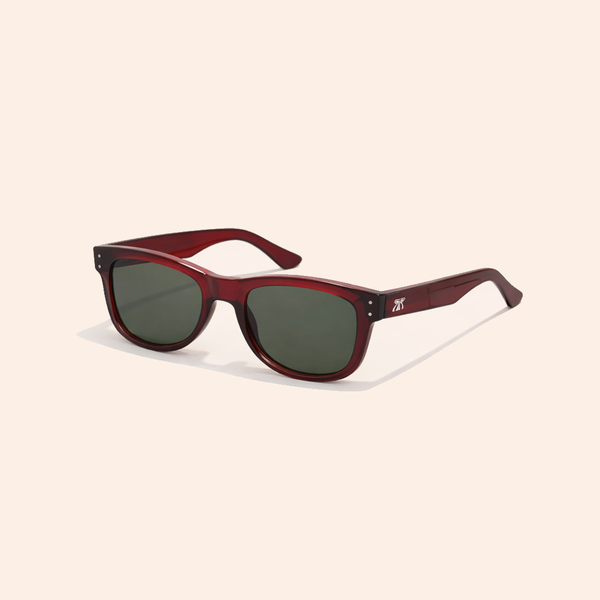
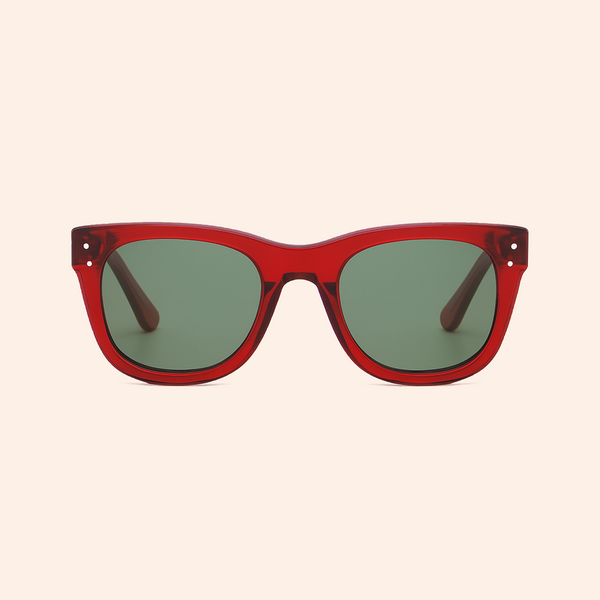
Wayfarer Sunglasses for Women
The rectangle frame that became the default — in acetate, metal and half-rim.
The one pair most people should own
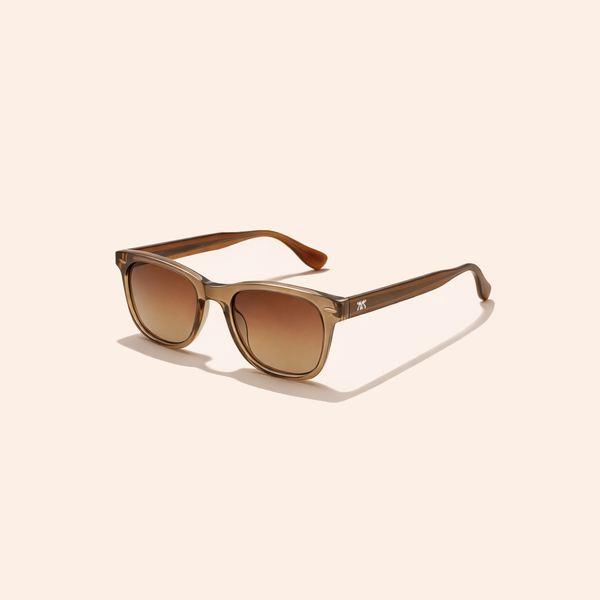
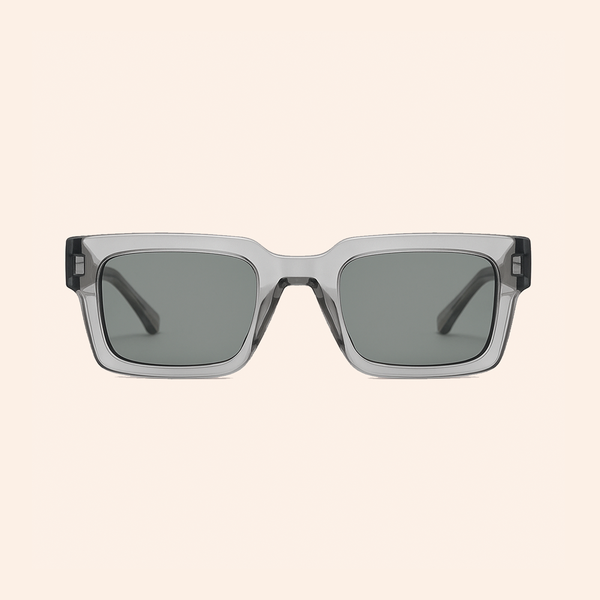
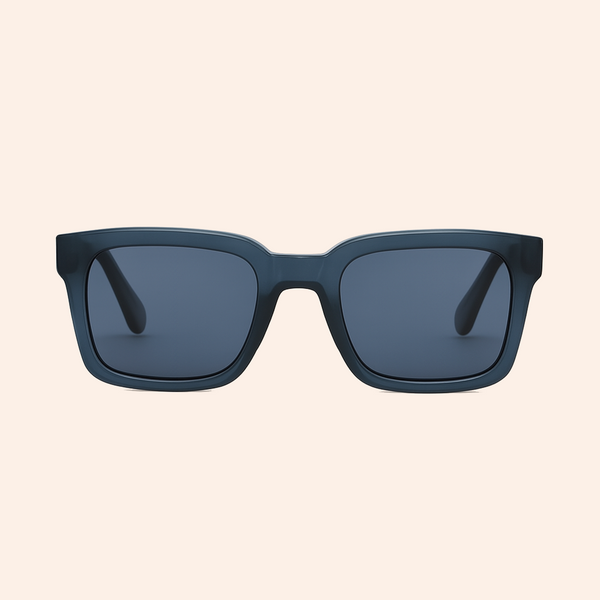
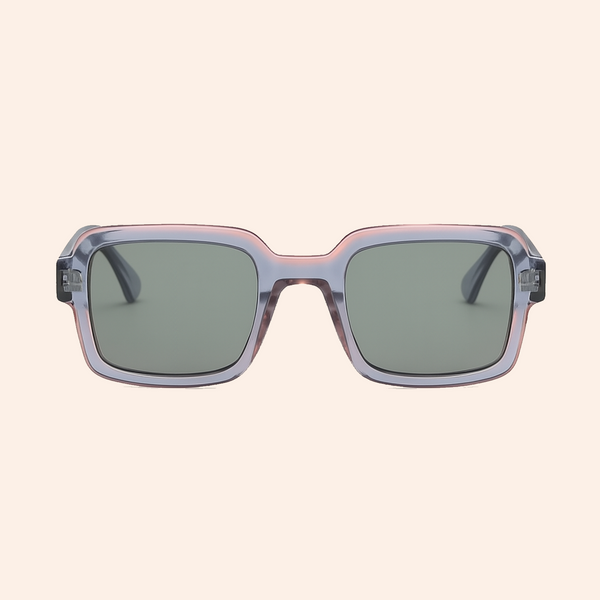
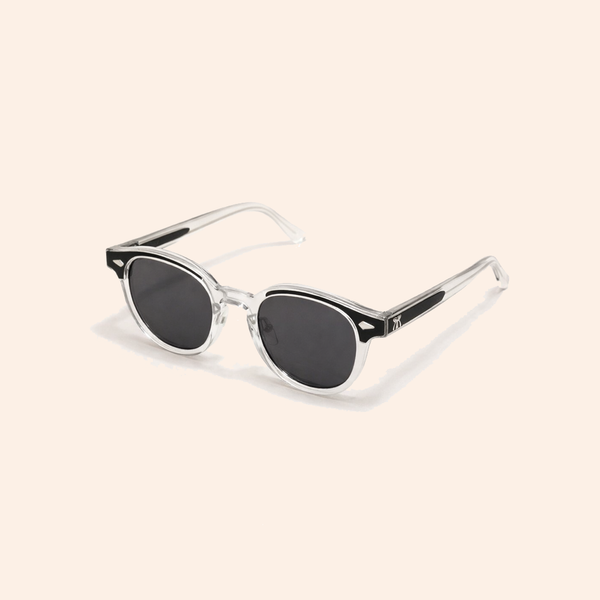
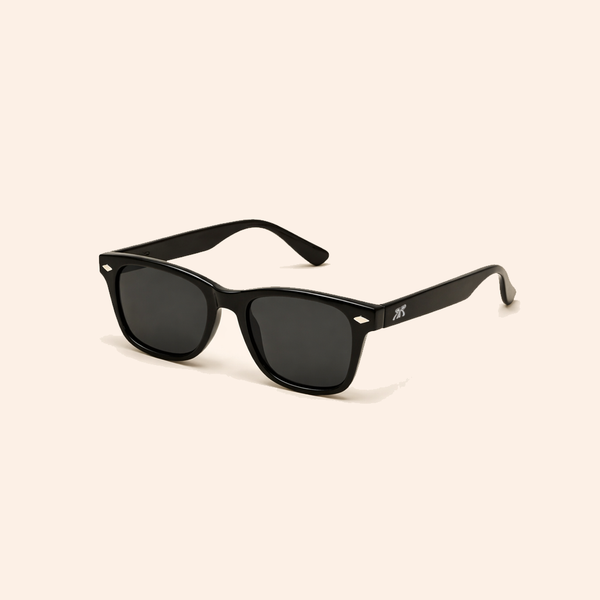
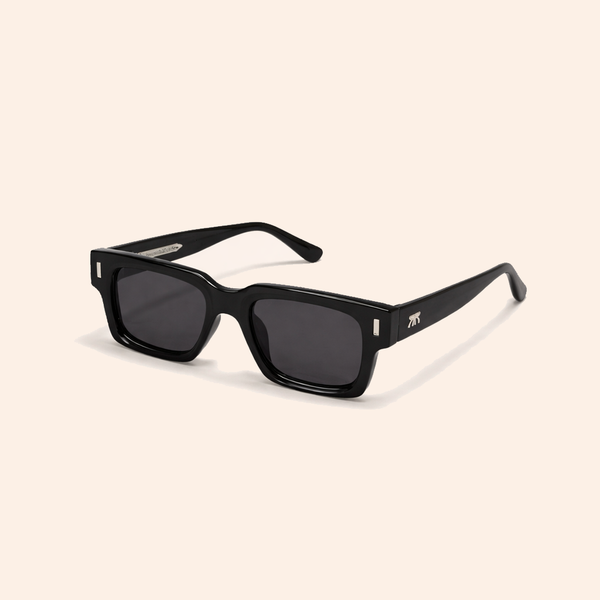
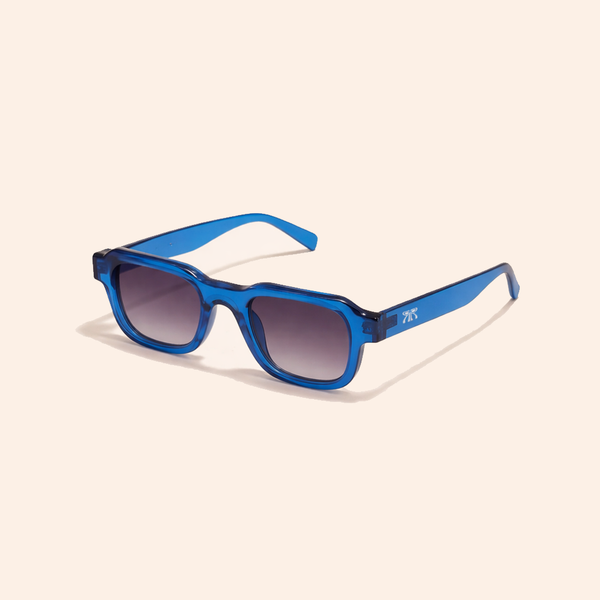
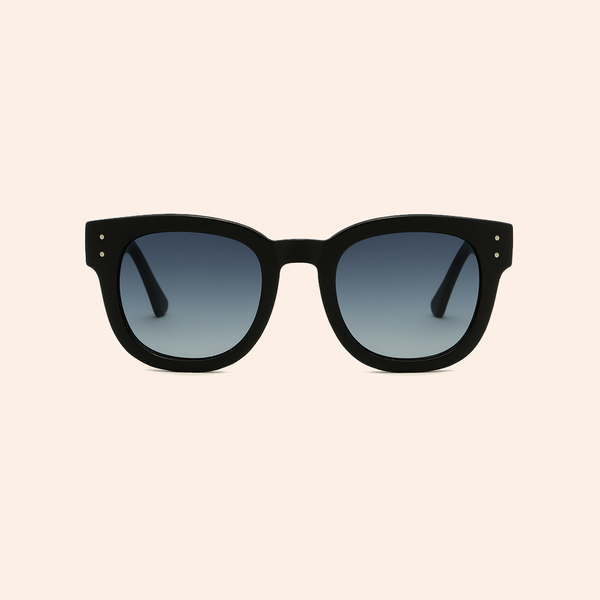
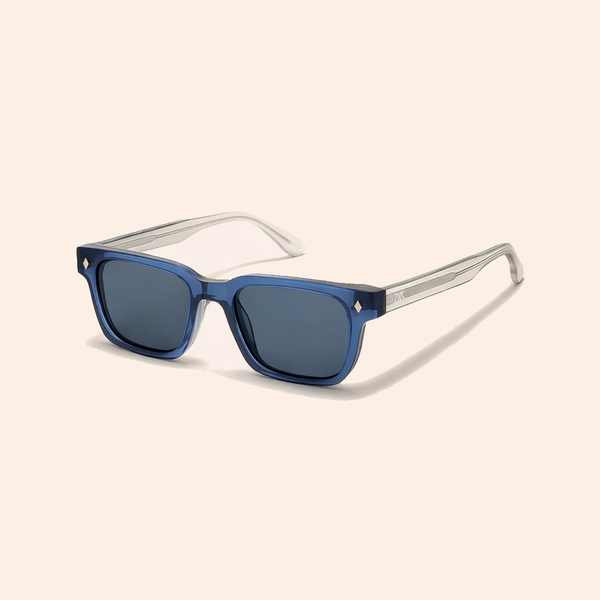
If you own a single pair of sunglasses, there is a good chance it is this shape. A wayfarer is the thick-browed, slightly tapered rectangle that arrived in the early 1950s when acetate replaced metal as the default frame material — the first frame that could be moulded rather than bent, and the first that looked designed rather than engineered.
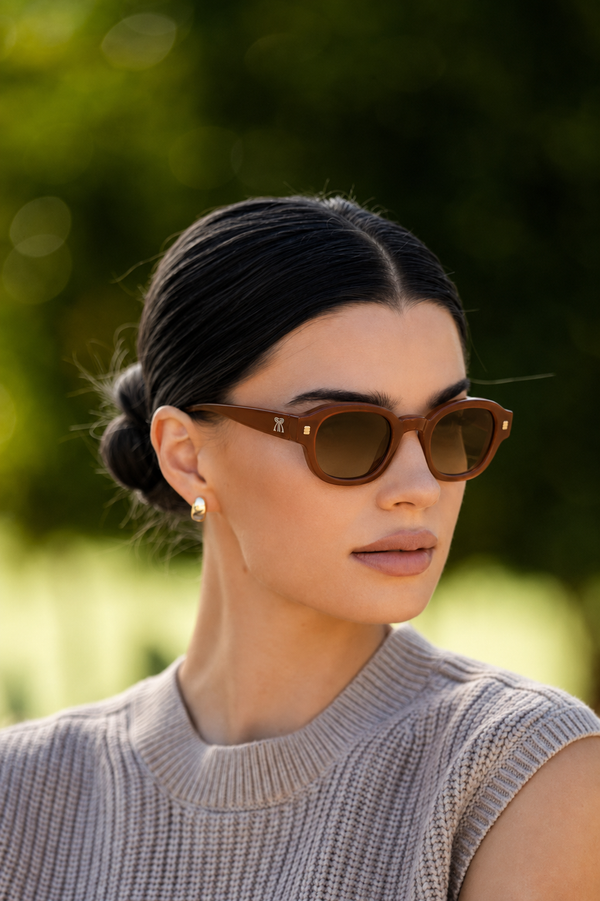
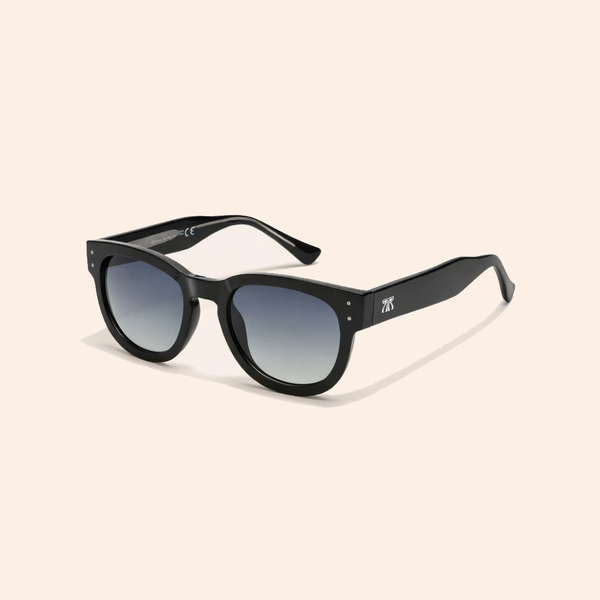
Seventy years on it is still the most versatile silhouette in eyewear: unisex enough to borrow, structured enough to sharpen a plain outfit, and neutral enough to wear every day. Every style below comes in black, grey, brown or gradient — all UV400, from Rs. 1,199.
The thick brow bar is what makes this shape work — and it is also why it flatters some faces and fights others. Six quick questions and the Frame Finder tells you your shape, then sends you to the frames built for it.
The wayfarer is the most-owned frame shape in the world, which makes it easy to buy badly — there are dozens of versions and they are not interchangeable. Here is what separates them, and how to pick the one that suits your face.
Wayfarer or rectangle? The difference, and why it barely matters
Most people searching for rectangle sunglasses are describing a wayfarer, and most people searching for a wayfarer would call it rectangular. They are close but not identical:
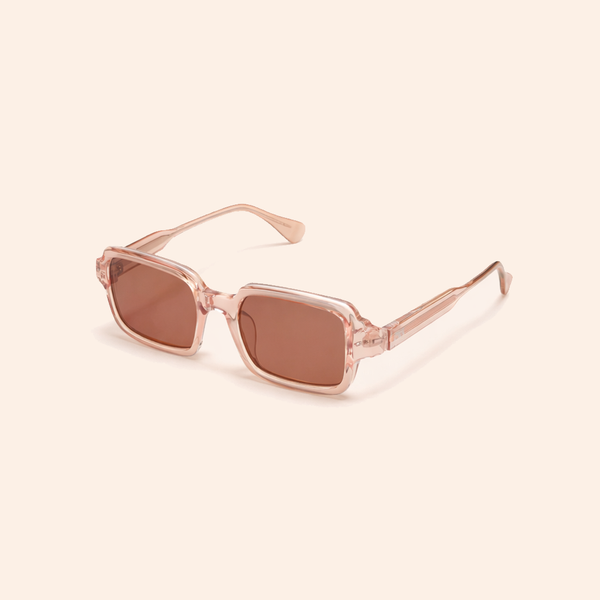
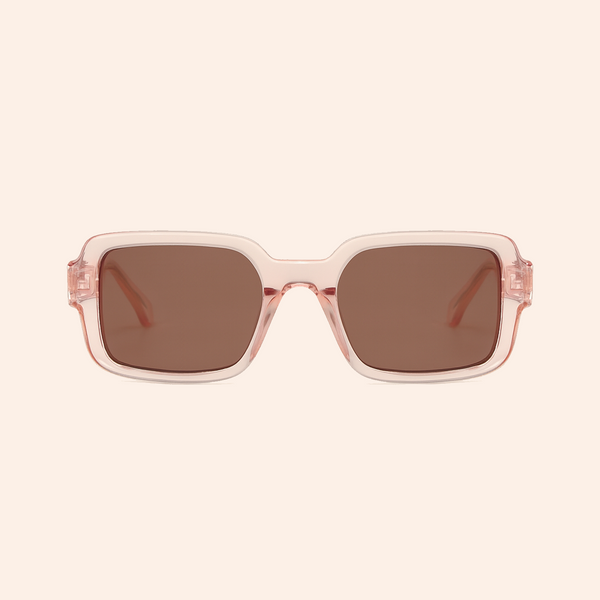
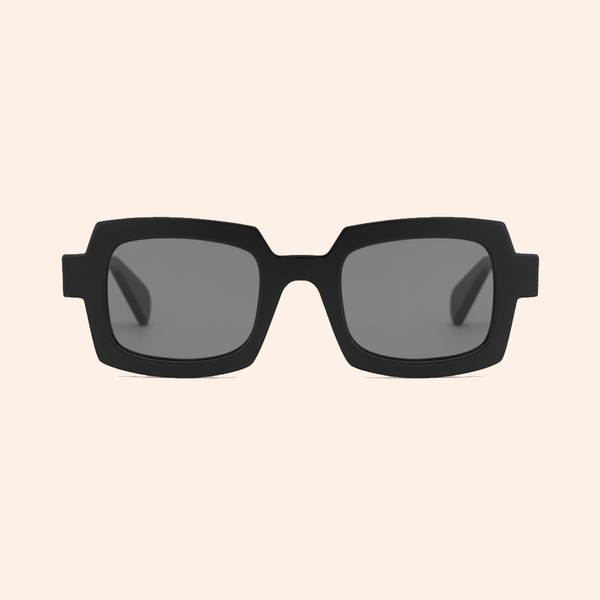
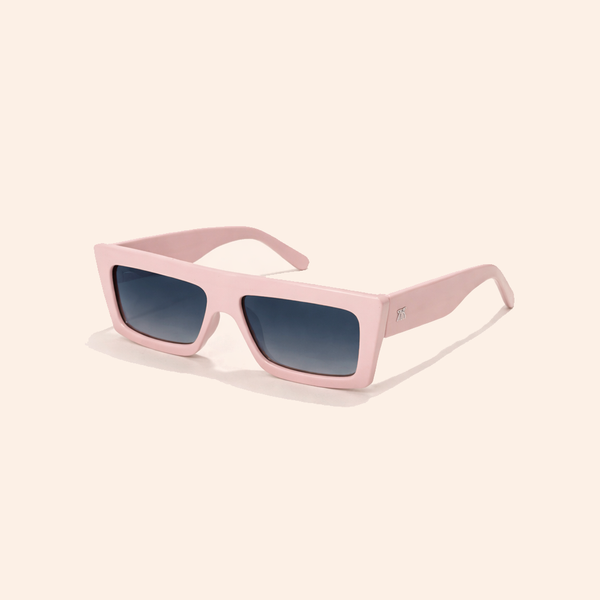
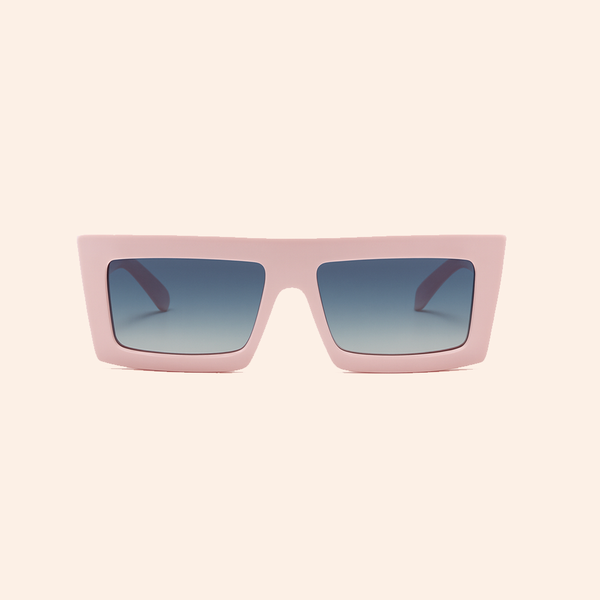
A true rectangle frame has parallel top and bottom edges and square corners — the same width all the way down.
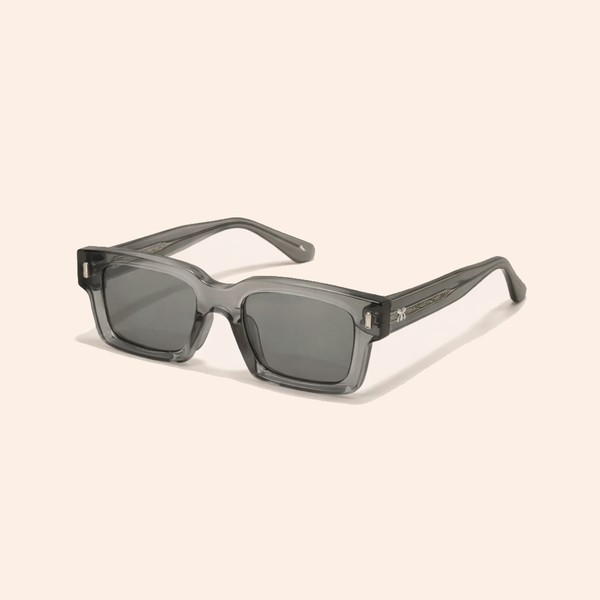
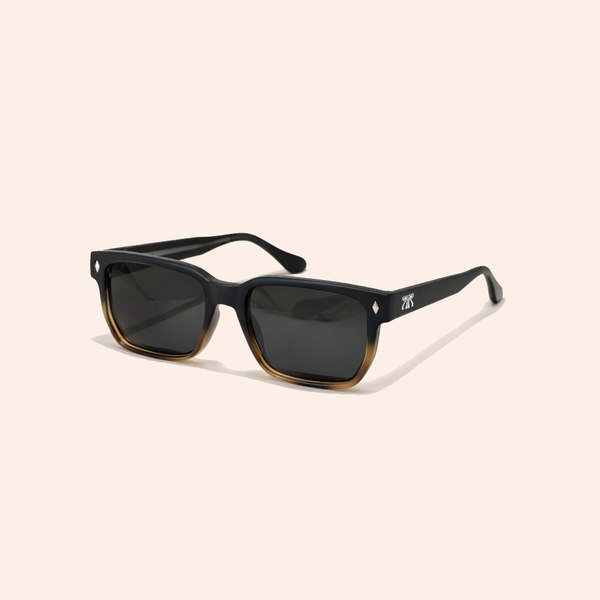
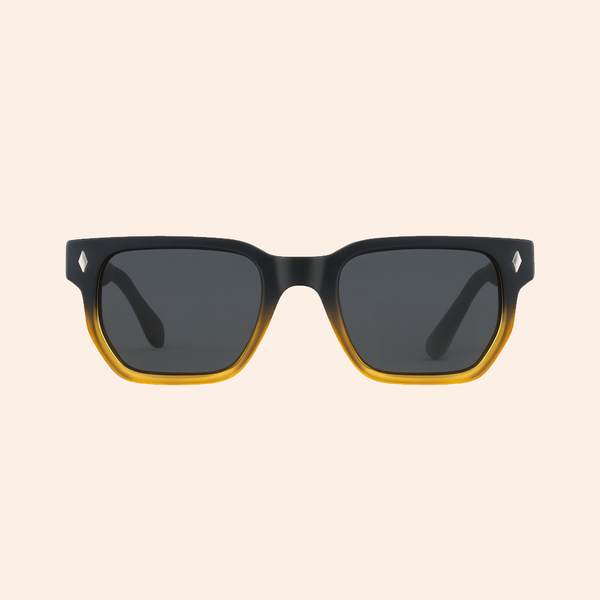
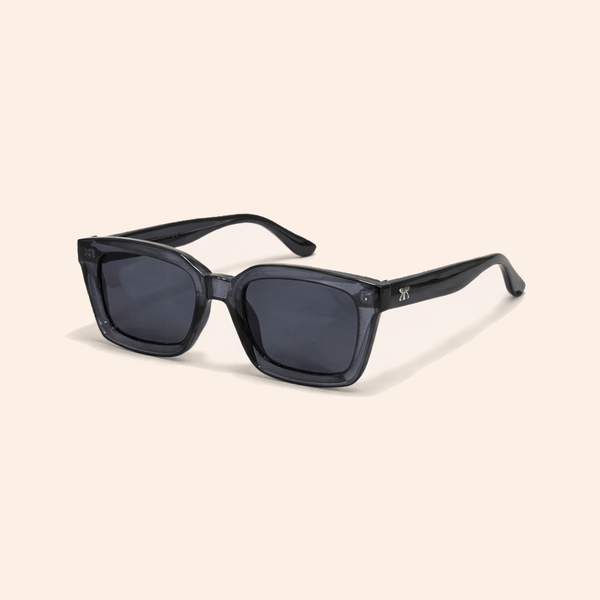
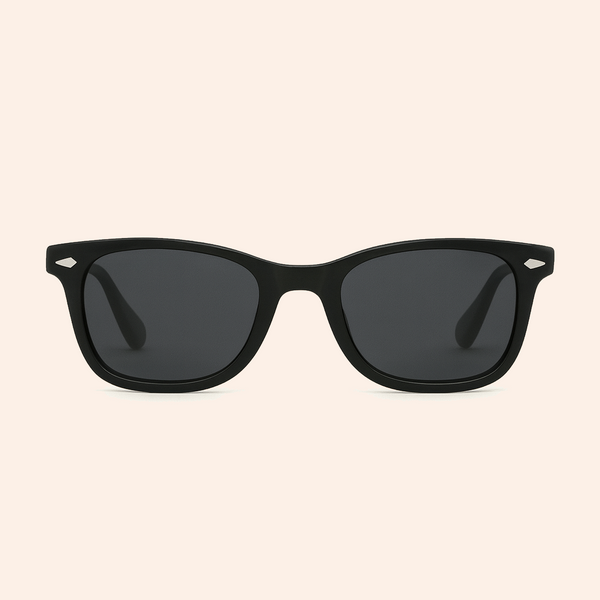
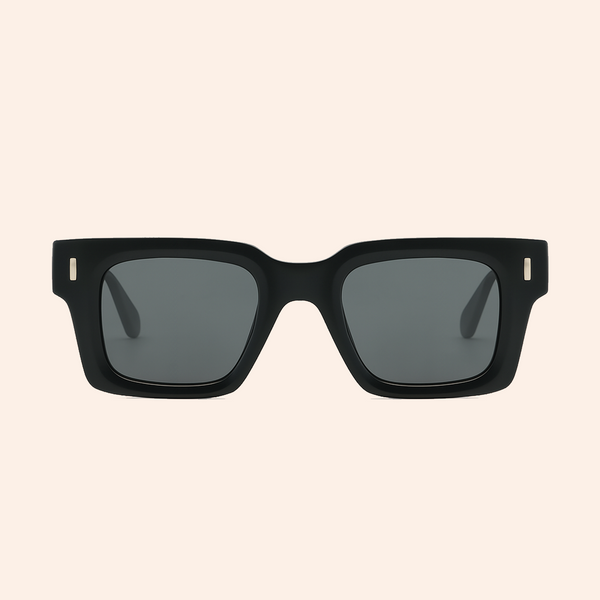
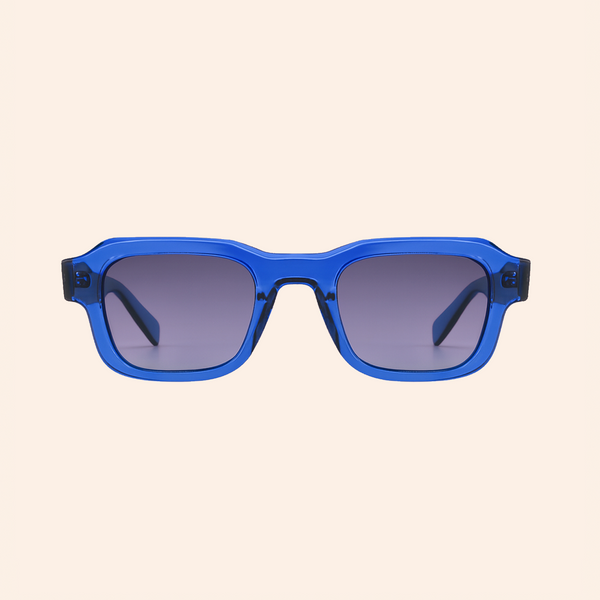
A wayfarer is a trapezoid. The top edge is wider than the bottom, the sides slope inward, and the temple arms attach at the upper corners rather than the middle.
That taper is the reason the wayfarer outlasted every plain rectangle that came after it. A true rectangle sits flat and reads severe; the slope softens the outline just enough to look intentional on a face rather than architectural. Every frame in this edit is a rectangle in the everyday sense — the wayfarer version of one.
The brow bar does all the work
Which face shapes suit wayfarer sunglasses
Rectangle and oblong faces — the strongest match. Deep lenses and a bold top bar in one frame, which is precisely what shortens a long face.
Round faces — the straight brow line adds the angularity a round face lacks and widens the top half so the cheeks read narrower.
Diamond faces — a strong flat top edge adds width at the narrowest part of the face.
Oval faces — nothing needs correcting, so a mid-size wayfarer is simply the easy everyday pair.
Two to think twice about. On a heart-shaped face the heavy brow adds weight where the face is already widest — the one shape where this frame actively works against you. And on a square face the straight lines echo the jaw rather than contrasting with it; if you love the look, pick one with genuinely rounded corners.
Getting the fit right
What to check
Look for
Why it matters
Brow bar weight
Thick for classic, slim for subtle
The single biggest lever on how bold the frame reads
Total frame width
Level with or just past the cheekbones
Wayfarers run wide — too narrow and the top bar looks stuck on
Lens depth
Deep for long faces, shallow for oval
Depth decides which face shapes the frame suits
Corner radius
Rounded if your jaw is square
Softened corners stop the frame doubling your own angles
Frame tilt
Sitting flat against the brow
Wayfarers perch rather than hug — check they do not slide when you look down
Acetate, metal and half-rim
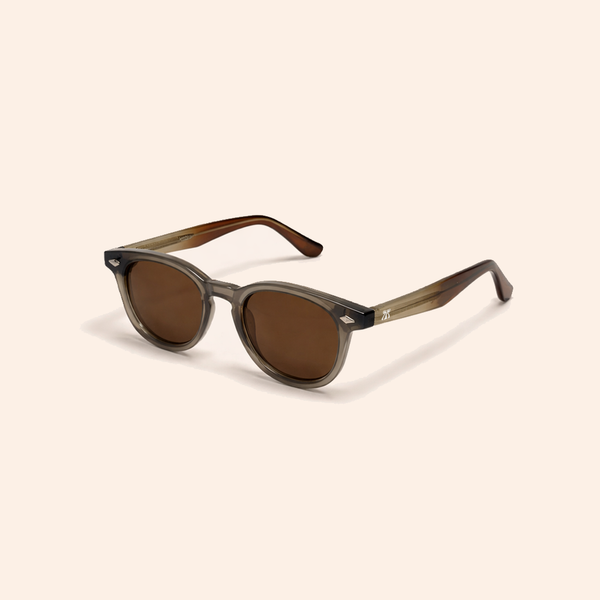
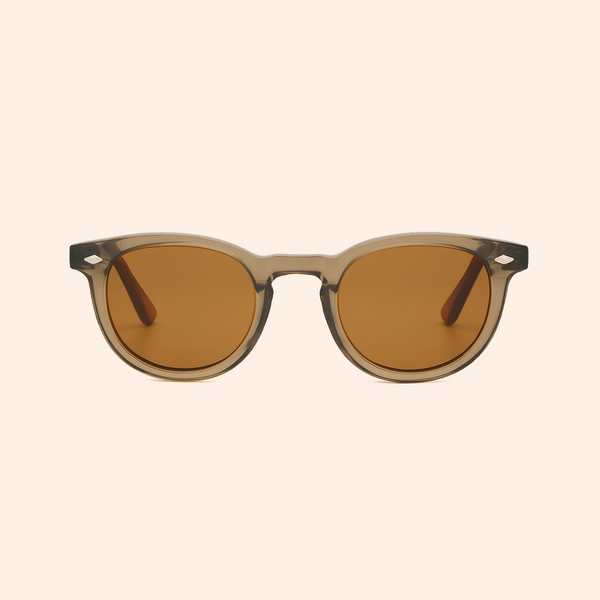
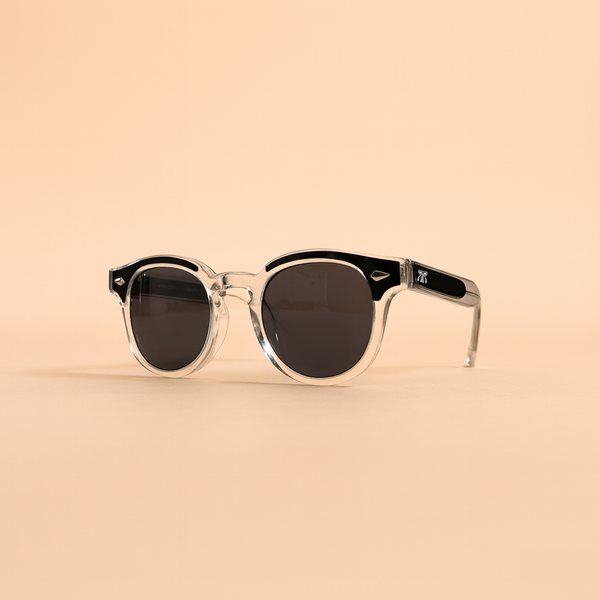
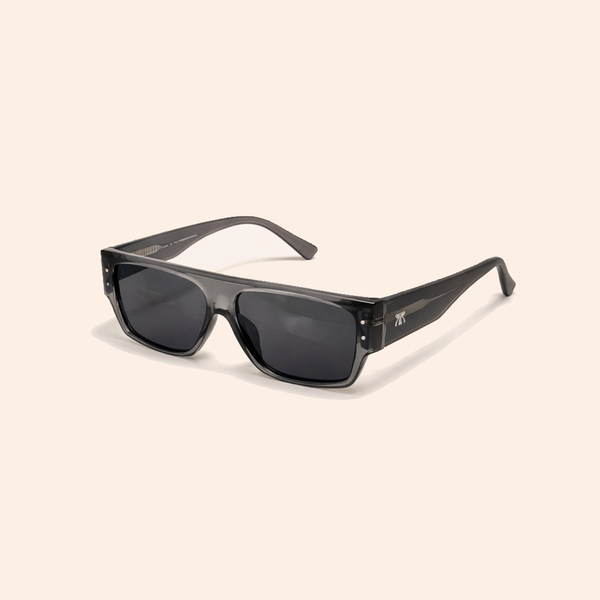
The classic wayfarer is thick acetate, and that is still the version that reads most recognisably as the shape. Two variations of it change the character completely.
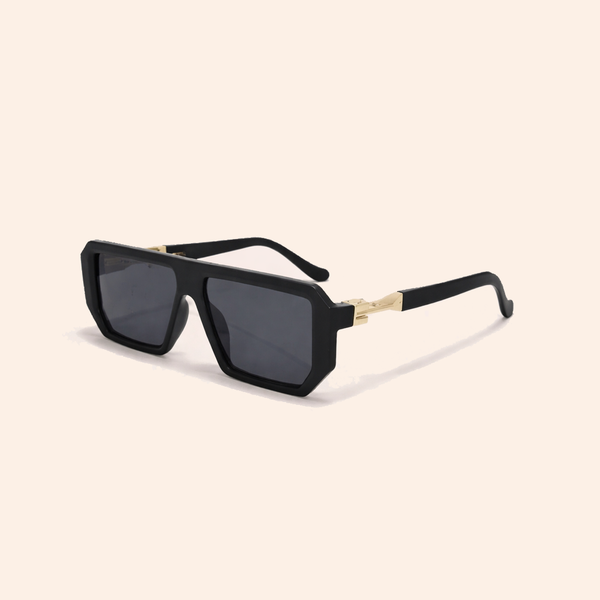
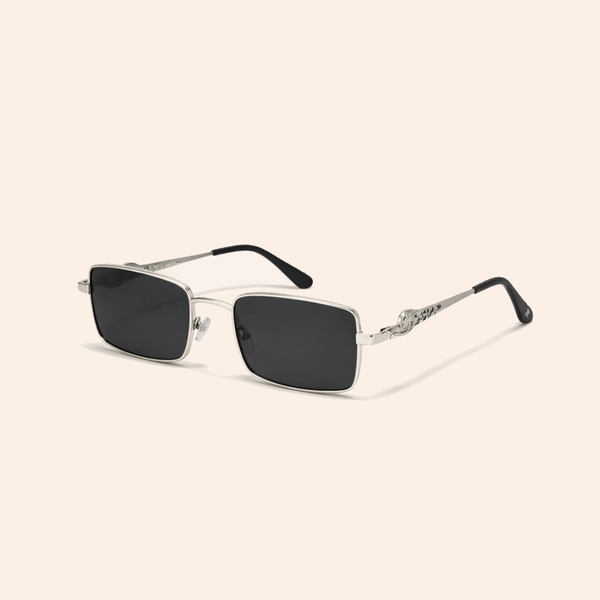
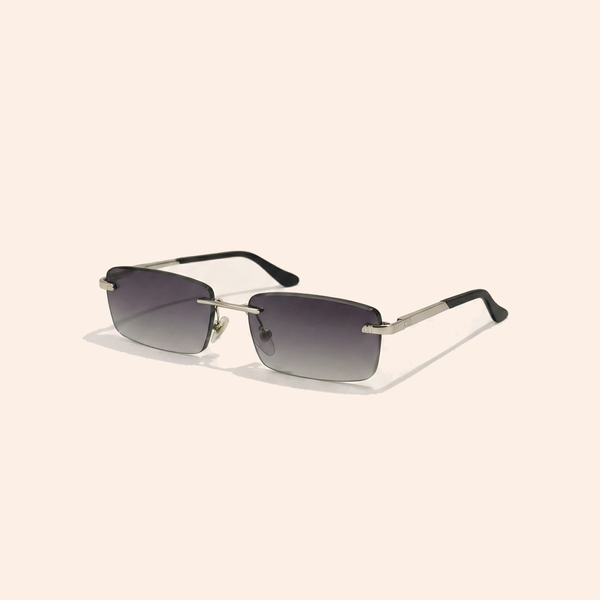
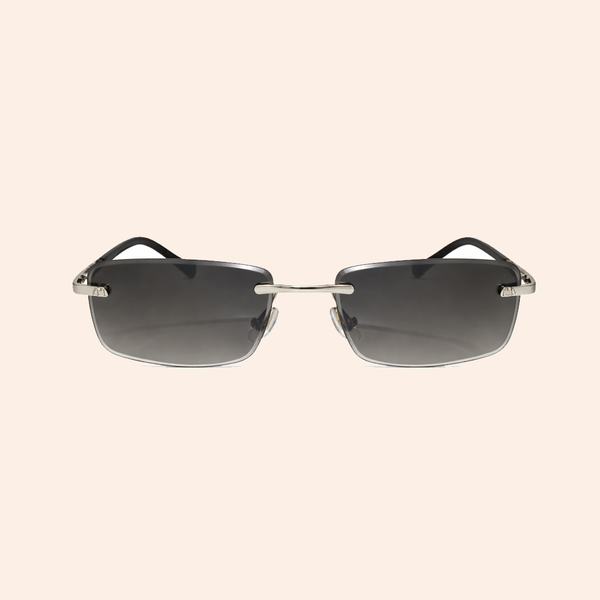
A metal wayfarer keeps the outline and drops most of the weight — the silhouette stays, the boldness goes. It is the option for anyone who likes the shape but finds thick plastic too heavy on a smaller face. A half-rim wayfarer goes further still: rim on the top edge only, so you keep the brow bar that does the flattering and lose everything below it.
Colour and lens
This is the shape where a neutral genuinely is the right answer. A wayfarer is already making a statement through its outline, so black, tortoiseshell and brown let it do that cleanly — and they are the reason a wayfarer goes with everything in a way a coloured cat-eye cannot.
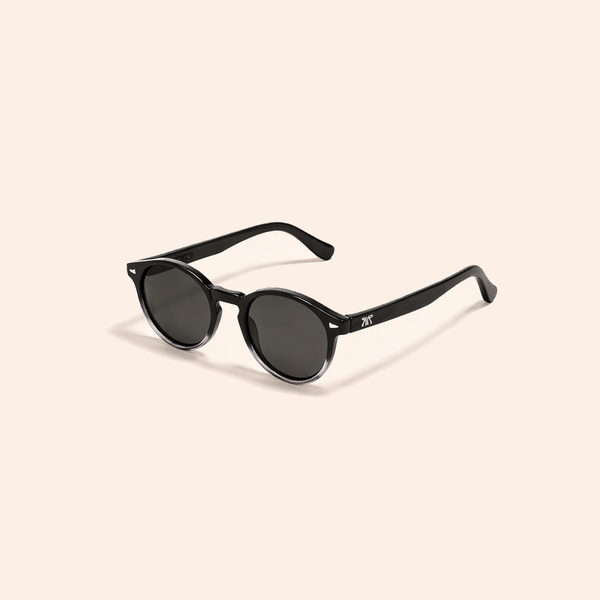
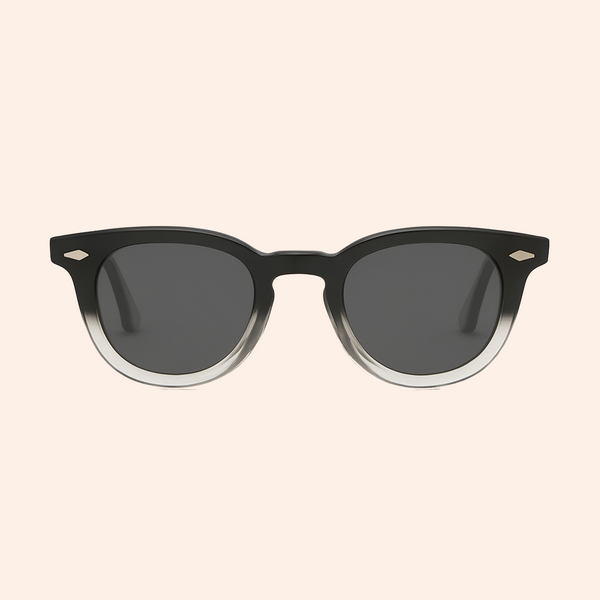
Where to spend your interest instead is the lens. Gradient tints suit the flat front of a wayfarer particularly well — the fade reads as a clean horizontal band across a straight-edged lens. And if you drive, a polarised wayfarer is the single most useful pair you can own.
How to style women's wayfarer shades
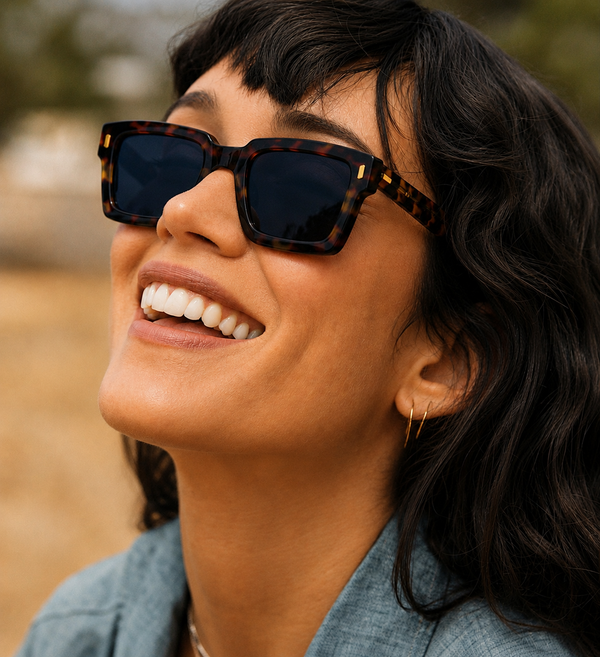
The wayfarer is the least fussy frame in eyewear, which is both its strength and the thing to work with. It sharpens denim and a plain tee, it holds up under a blazer, and it is the frame that looks right in a photograph taken in harsh midday light when softer shapes wash out.
Two practical notes. A thick acetate wayfarer pairs badly with heavy statement earrings — both are competing for weight around the face; pick one. And because the brow bar draws a horizontal, it sits best with hair that has some height or is pulled back, rather than a heavy fringe stacking a second horizontal directly above it.
Why this shape has never gone away
Before the 1950s, sunglasses were metal, because metal was what you could bend into a frame. Moulded acetate changed that — suddenly a frame could be any shape a designer drew, and the wayfarer was the first silhouette to take real advantage of it. That is why it looks less like an accessory and more like a piece of industrial design, and it is why the outline has survived every trend cycle since. Roughly a third of our full range is some version of it.
Wayfarer Sunglasses — FAQs
A true rectangle frame has parallel edges and square corners. A wayfarer is a trapezoid — wider at the top than the bottom, with sides that slope inward and temple arms attached at the upper corners. In everyday use the two words describe the same thing, and the wayfarer is simply the most popular rectangular frame there is.
Rectangle, oblong and round faces suit them best. The thick brow bar adds width across the top of the face, which shortens a long face and adds angularity to a round one. Diamond and oval faces wear them easily too. Heart-shaped faces are the exception — the heavy top adds weight where the face is already widest.
They're the most versatile shape in women's eyewear. The silhouette is unisex, which is part of the appeal — it sharpens a casual outfit and reads polished with tailoring. Look for a slimmer brow bar or a metal frame if a thick acetate version feels too heavy on a smaller face.
They tend to run wide, because the shape is built around a broad, flat front. The frame should sit level with or just past your cheekbones — if it finishes short of them, the brow bar looks stuck on rather than proportioned.
A wayfarer with rim along the top edge only, and the lens exposed below. You keep the brow bar — which is the part that does the flattering — and lose the weight of the lower frame. It's the lightest version of the shape.
A neutral. This is the one shape where that's genuinely the right answer — the outline is already the statement, so black, tortoiseshell and brown let it work cleanly and go with everything. Spend your interest on the lens instead: a gradient tint suits the flat front particularly well.
Because they were the first frame designed rather than engineered. Before moulded acetate arrived in the 1950s, sunglasses were metal and shaped by what metal could be bent into. The wayfarer was the first silhouette to use the new material properly, and the outline has survived every trend cycle since.
Yes. Every pair in this collection is UV400 — blocking 100% of UVA and UVB rays — and ships with a hard case and cleaning cloth, with a 7-day return window.