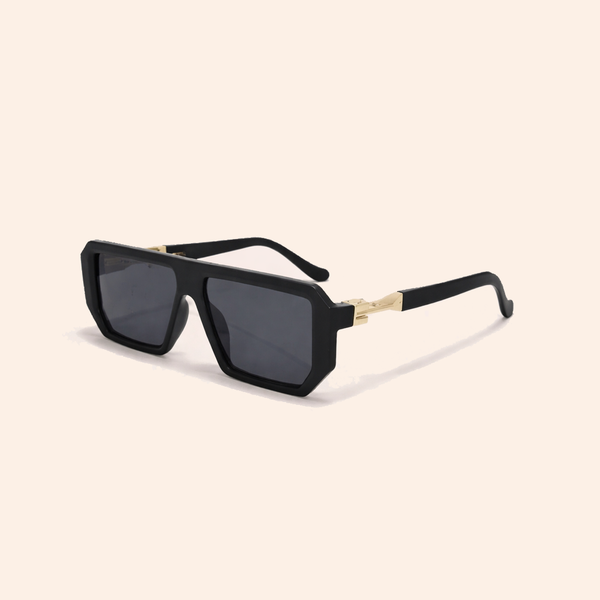
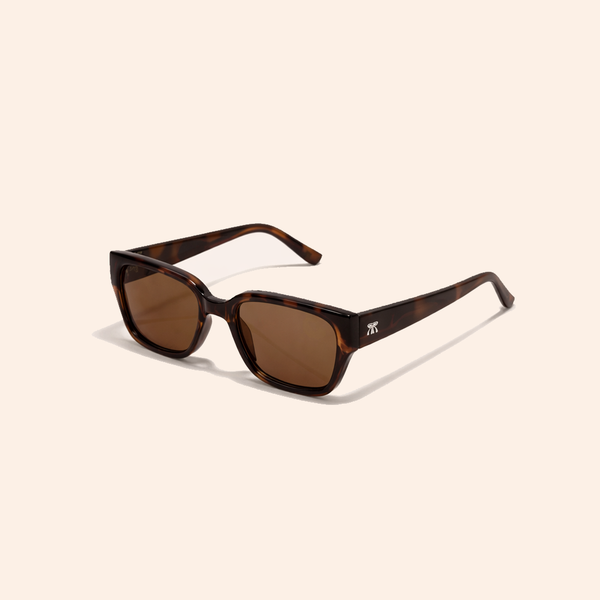
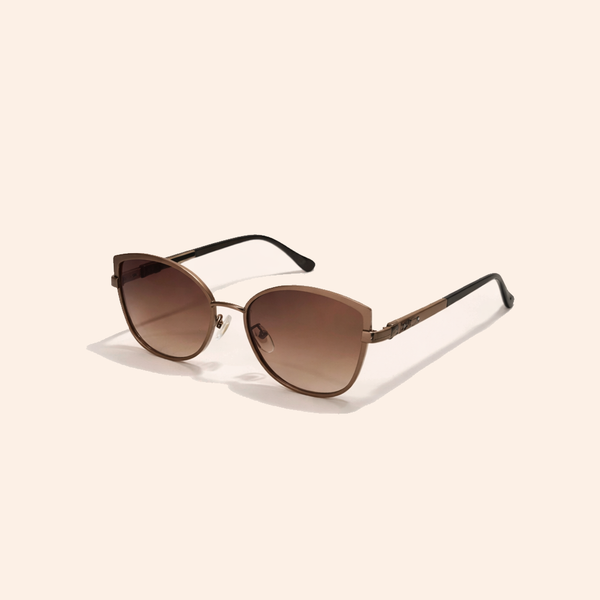
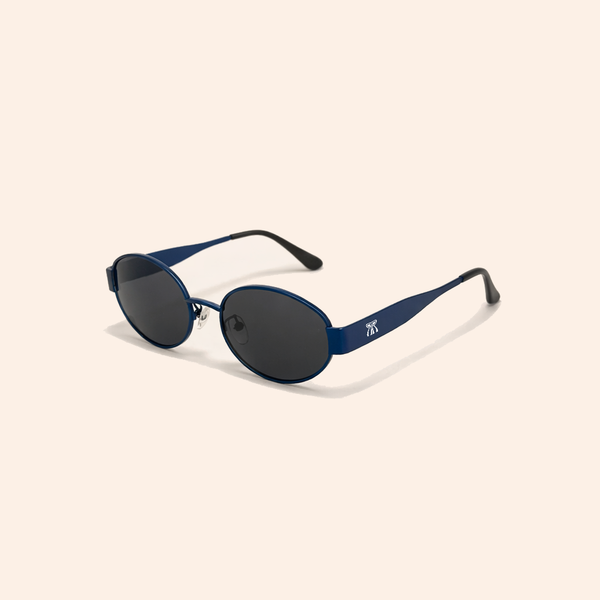
Tie your hair back, face a mirror, and look at the outline of your face. Four quick checks tell you everything.
01
Forehead
Is it the widest part of your face, or about even with your cheeks and jaw?
02
Cheekbones
Notice if your cheekbones are the widest point, sitting higher than the rest.
03
Jawline
Soft and rounded, sharp and angular, or tapering to a point at the chin?
04
Face length
Compare top-to-bottom against side-to-side. Longer, shorter, or about equal?
The complete face shape frame guide
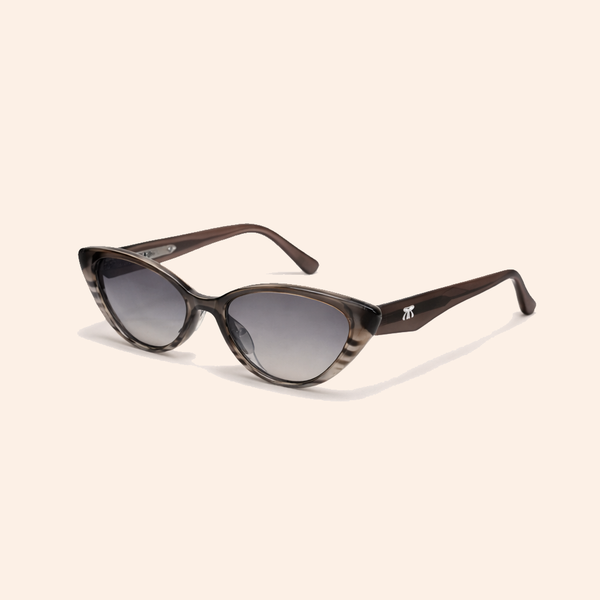
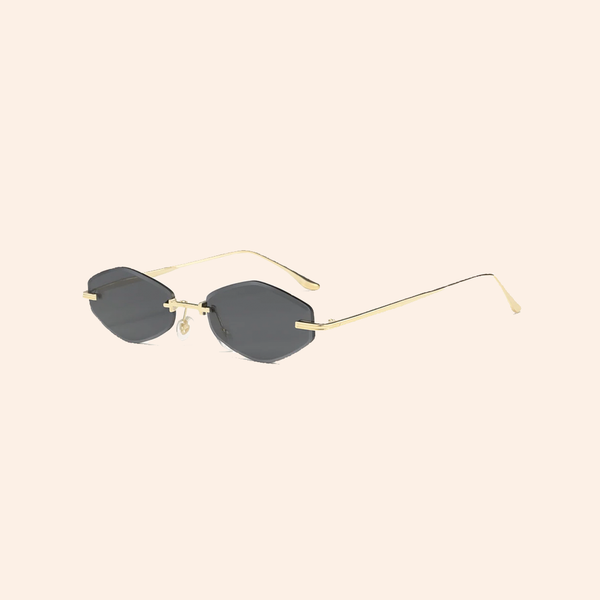
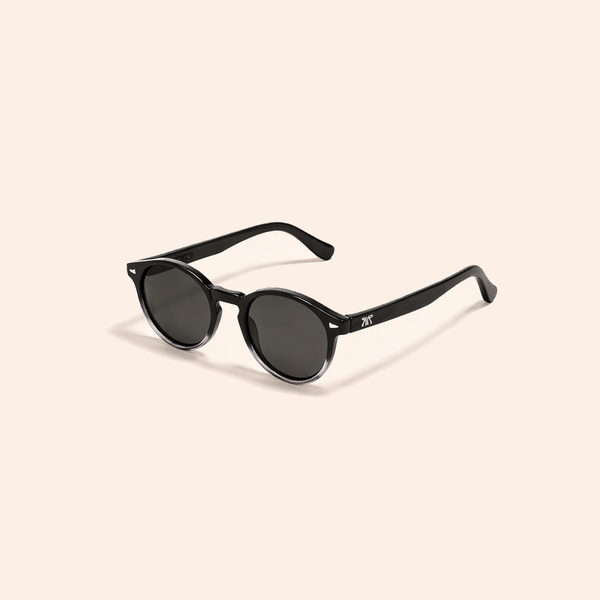
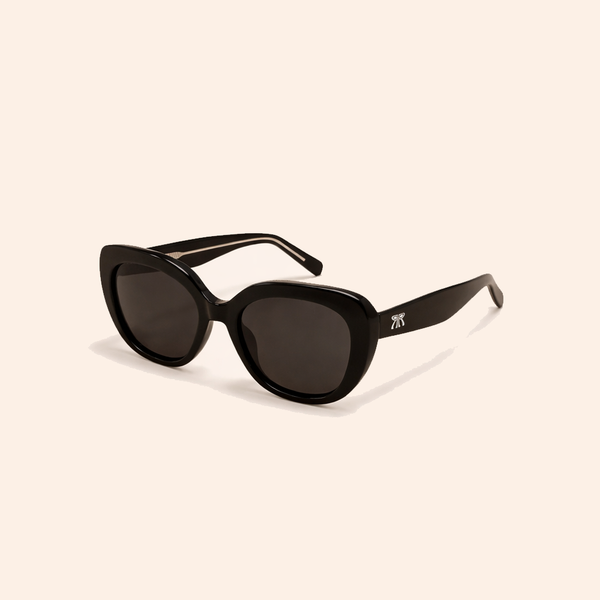
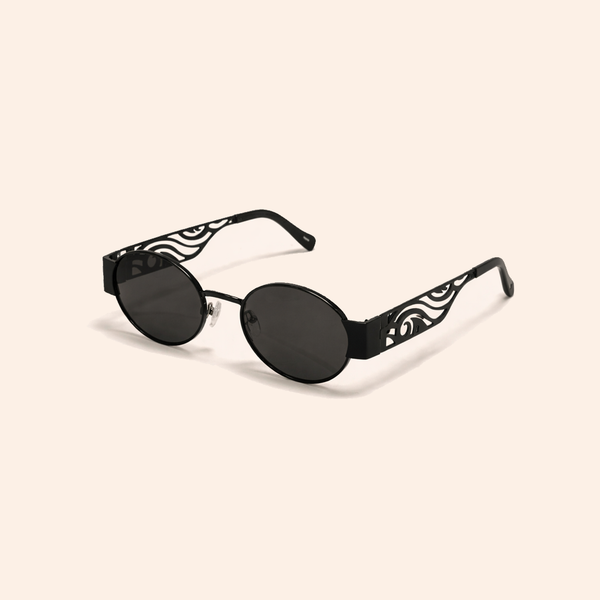
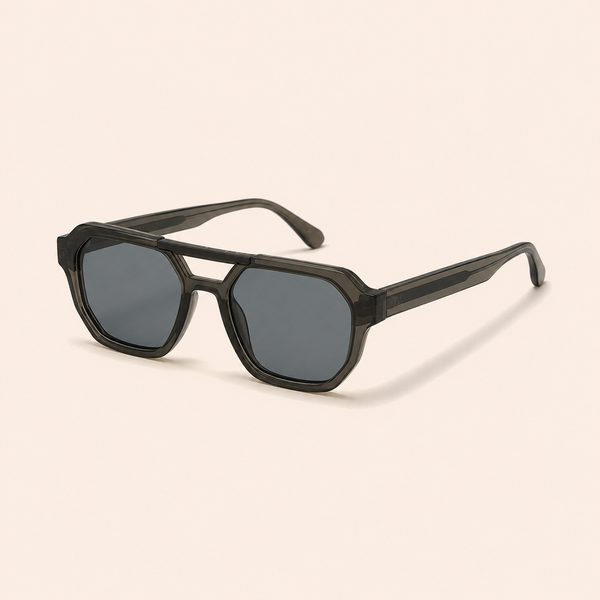
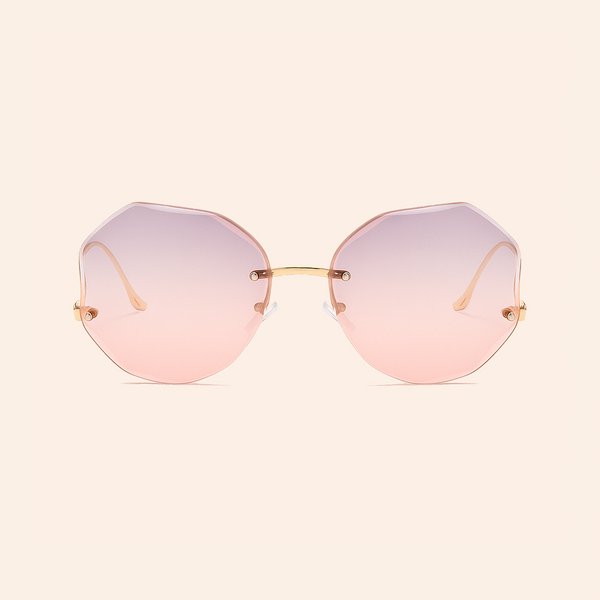
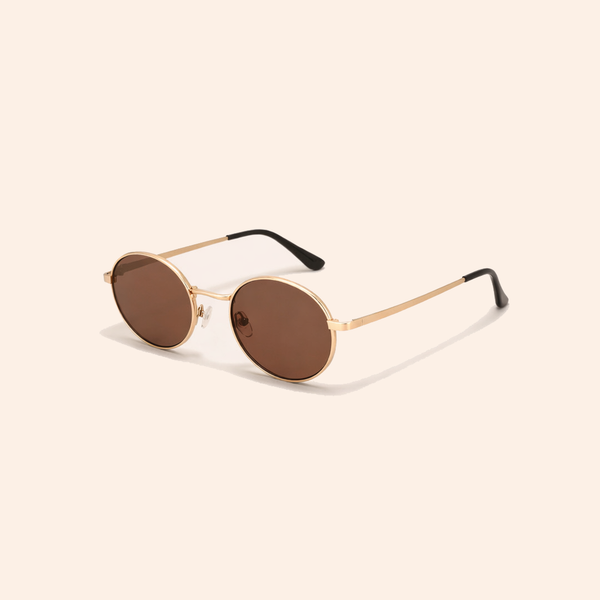
Six face shapes, and the Rangrays frames that flatter each one most.
Oval face shape
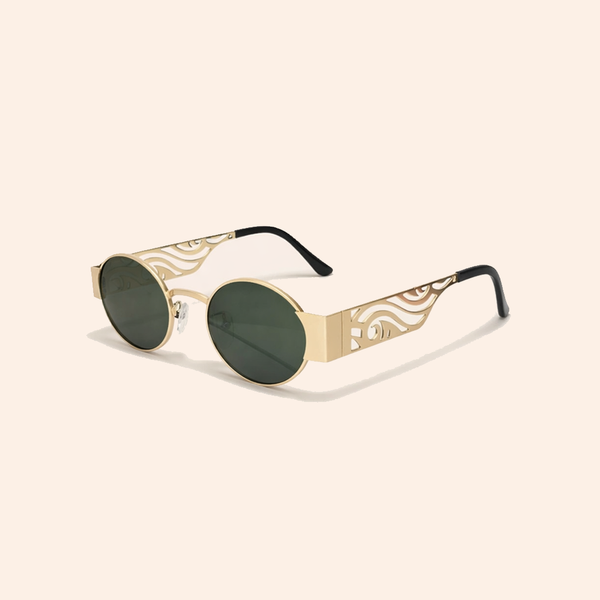
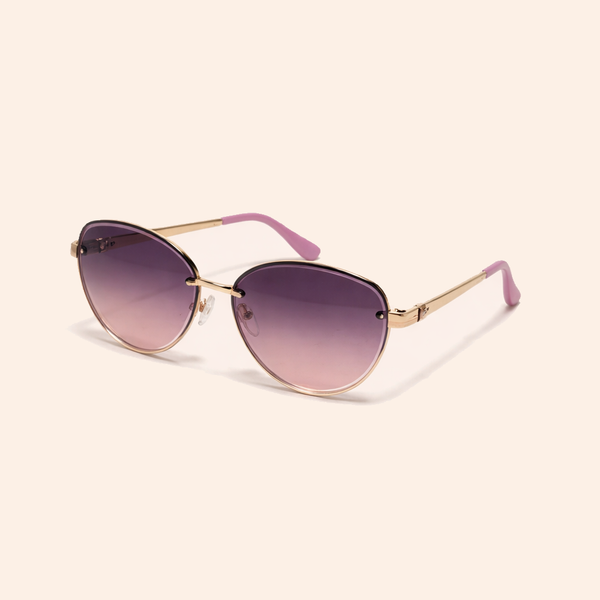
Balanced proportions with a gently rounded jaw and a forehead slightly wider than the chin. The most versatile face shape — almost every frame works, so you can pick by mood rather than rules. Aim to keep frames roughly as wide as the broadest part of your face.
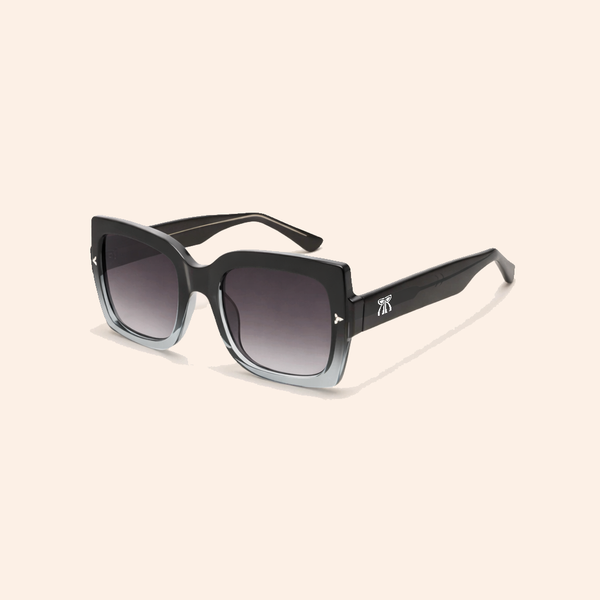
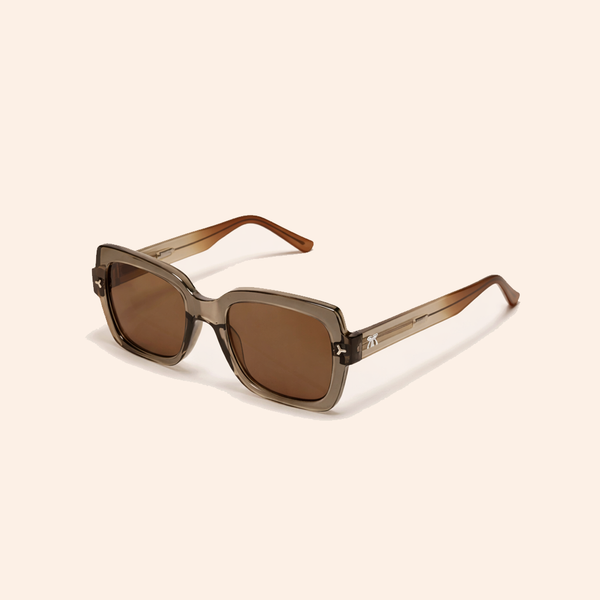
Soft curves with similar width and length and full cheeks. Angular and geometric frames add the definition and structure that balance a round face, making it look slimmer and longer. Look for frames wider than they are tall.
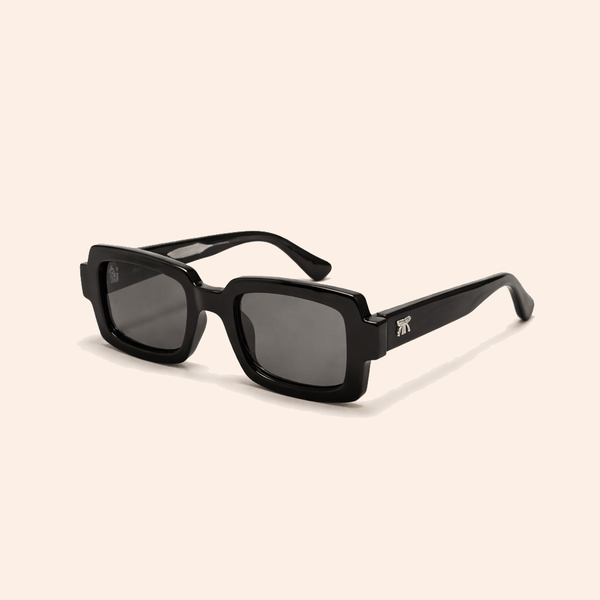
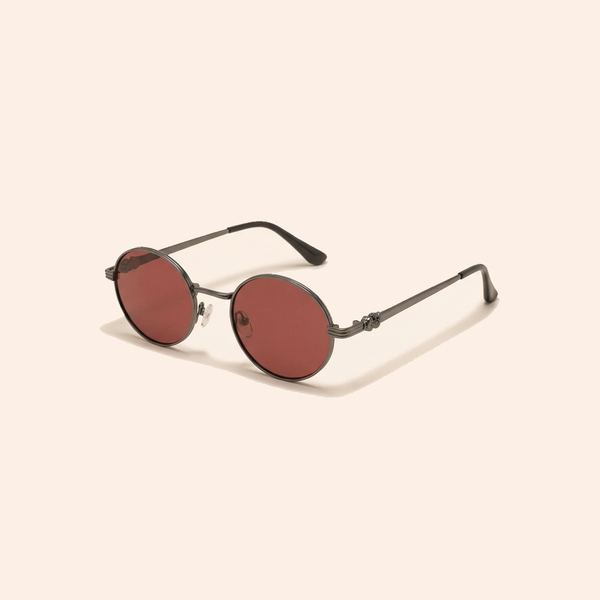
A strong, angular jaw with a broad forehead and roughly equal width and length. Rounded and curved frames soften those strong angles and add a flattering contrast. Frames with some curve or a slightly wider-than-tall shape work beautifully.
A wider forehead and cheekbones that taper to a narrow, often pointed chin. The goal is to balance the upper face and draw attention downward. Frames that are wider at the bottom, or that add softness, even out the proportions.
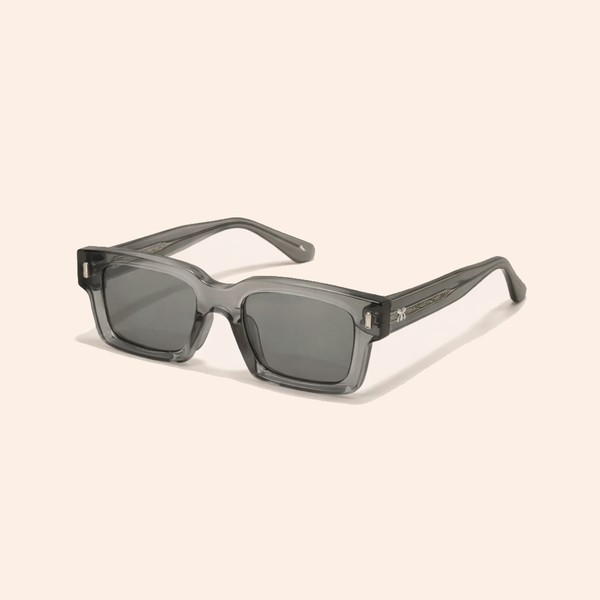
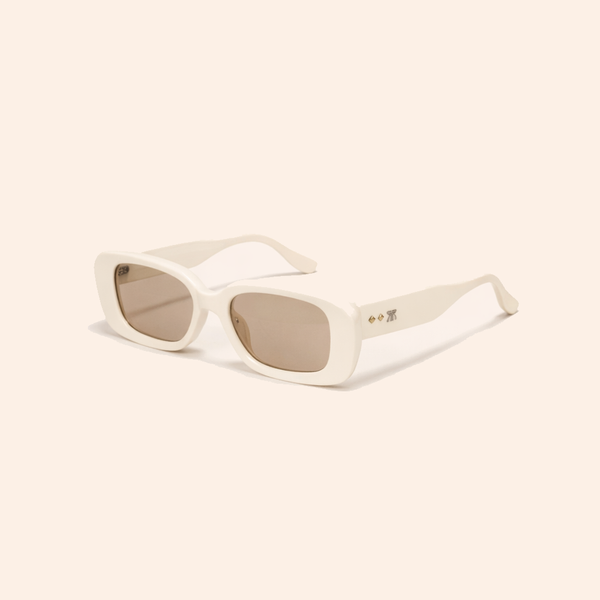
Longer than it is wide, with a straight cheek line and a forehead, cheeks and jaw of similar width. Frames with more height and width add balance and make the face appear shorter and softer. Bold, oversized and deep frames are your friend.
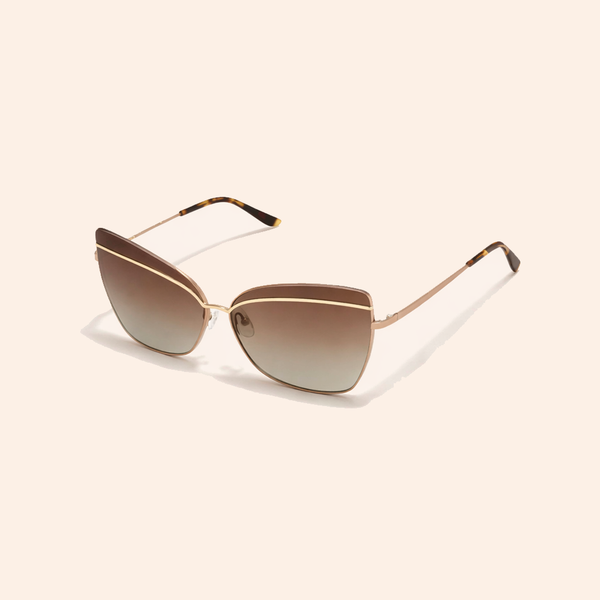
Dramatic, high cheekbones as the widest point, with a narrower forehead and jaw. Frames that highlight the eyes and soften the cheekbones bring everything into harmony — especially styles with detail or sweep along the top edge.
Pull your hair back and look in a mirror at the outline of your face. Check four things: whether your forehead is the widest point, whether your cheekbones sit highest, whether your jaw is soft or angular, and whether your face is longer than it is wide. Those four answers point to one of six shapes — oval, round, square, heart, oblong or diamond. Our quiz at the top of this page does it for you in under a minute.
What sunglasses suit a round face?
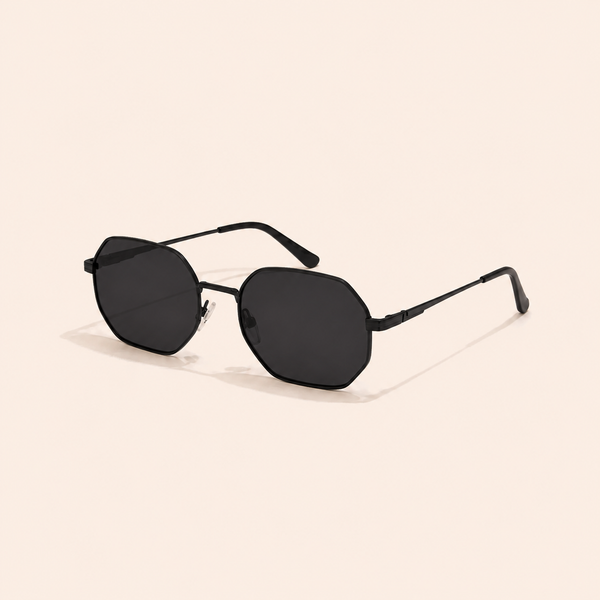
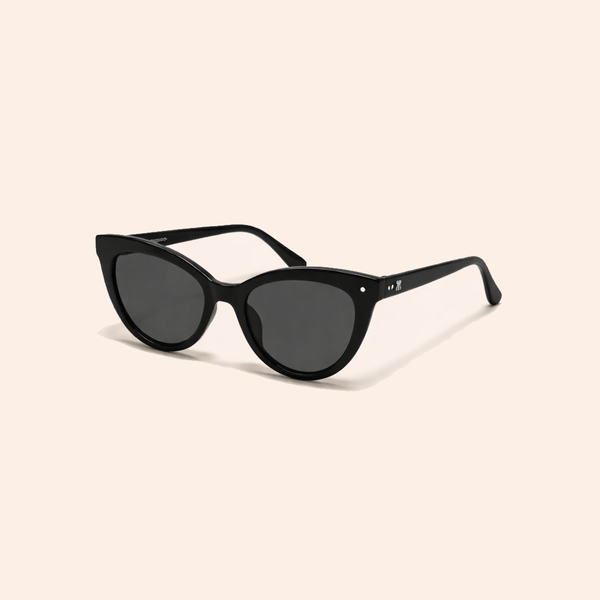
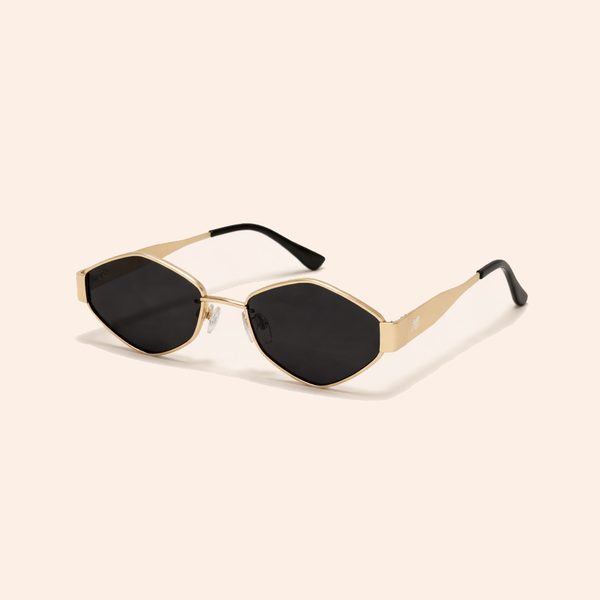
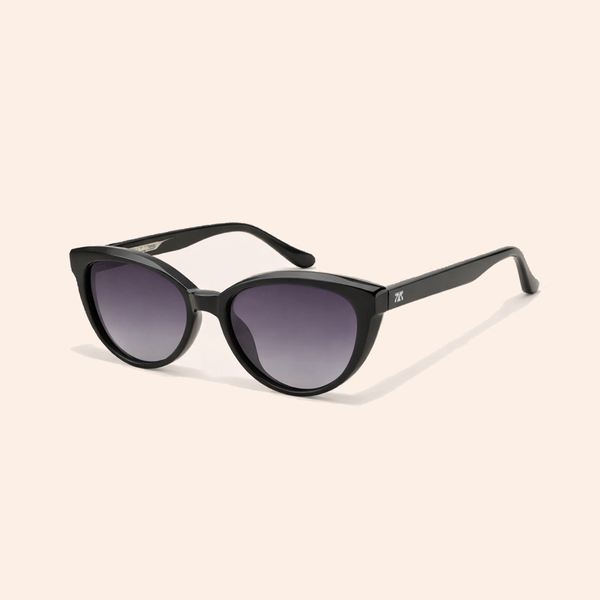
Angular and geometric frames work best for round faces because they add definition and make the face look longer and slimmer. Wayfarer, cat eye and hexagon styles are ideal. It's best to avoid round or small circular frames, which echo the softness of the face.
What sunglasses suit a square face?
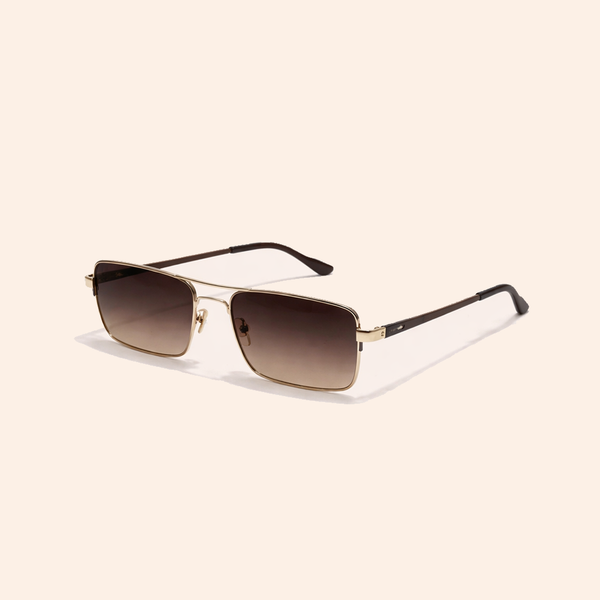
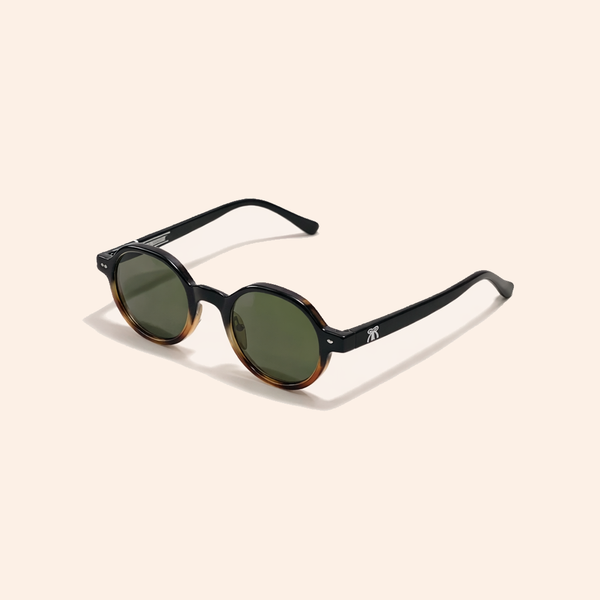
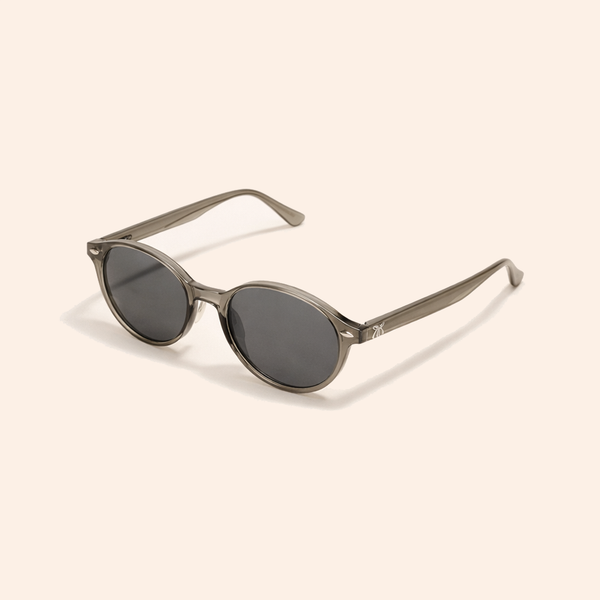
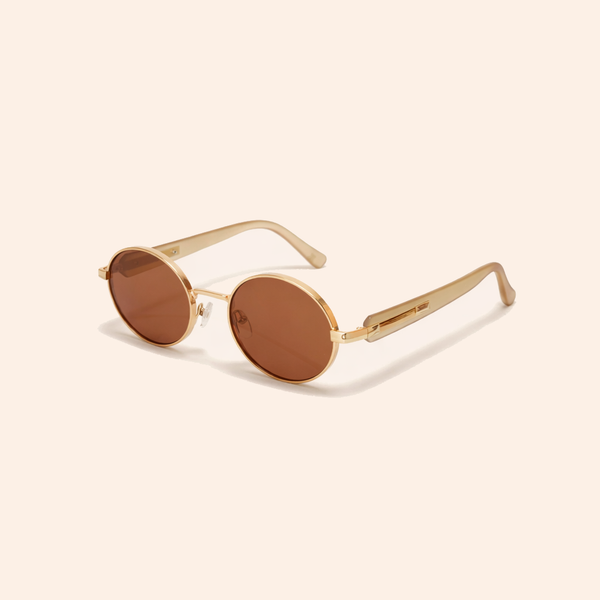
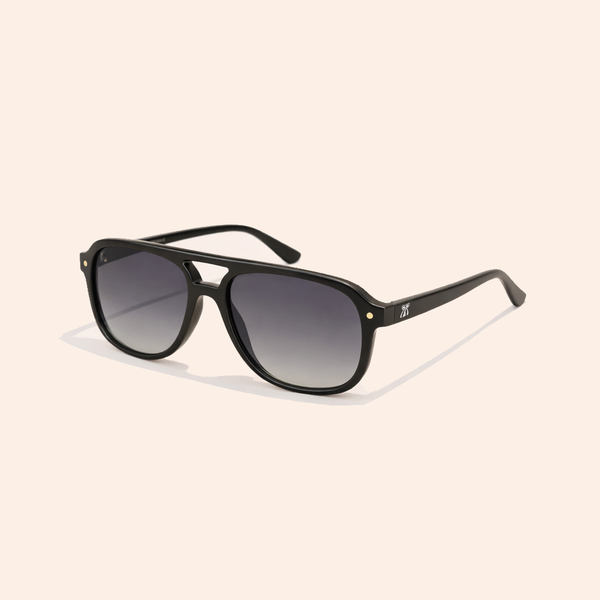
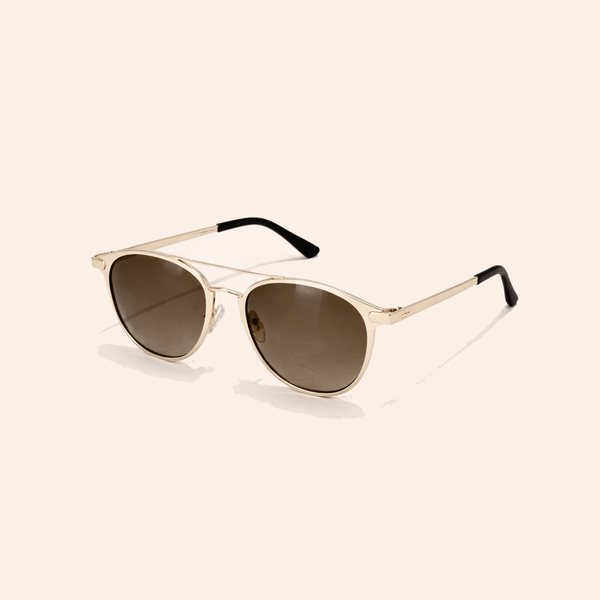
Rounded and curved frames flatter a square face by softening a strong, angular jaw. Round, oval, aviator and cat eye shapes all add a pleasing contrast. Sharp boxy frames tend to emphasise the angles rather than balance them.
Which sunglasses are most versatile?
If you have an oval face, almost any frame suits you, so you can choose by style rather than rules. For everyone else, cat eye and wayfarer frames are the most universally flattering Rangrays shapes and a safe place to start.
Does face shape really matter when buying sunglasses?
It's a helpful guide rather than a strict rule. Matching frame shape to face shape creates balance and brings out your features, but personal style always wins. Use the recommendations as a starting point, then pick the pair that makes you feel most like yourself.
Are Rangrays sunglasses UV protected?
Yes. Every pair offers UV400 protection that blocks harmful UVA and UVB rays, so whichever shape you choose, your eyes are protected.